

An irregular pulse can feel like a skipped beat, flutter, racing heartbeat, or rhythm that simply seems different from normal. Sometimes the sensation is temporary and harmless; in other situations, it can reflect an arrhythmia that deserves evaluation. Recording when the change happens and what accompanies it can give a clinician much more useful information. … Read More “Irregular Pulse Concerns – Track Symptoms Before Seeking Advice” »
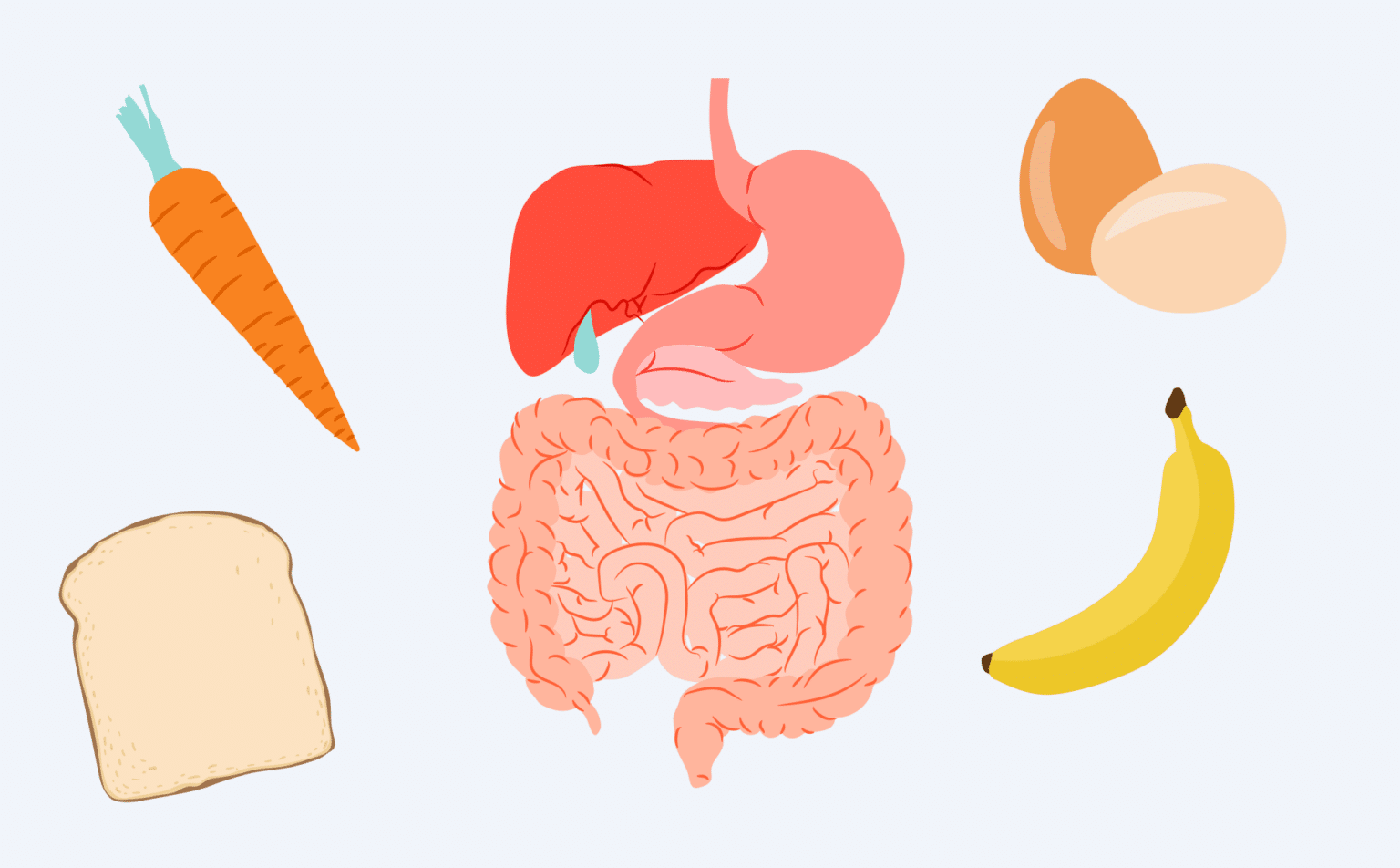
A sensitive stomach day may bring nausea, upper-abdominal discomfort, bloating, belching, or an uncomfortable feeling of fullness after eating. Instead of forcing your usual portions, it can be more comfortable to choose familiar foods you tolerate well, eat slowly, and avoid obvious personal triggers until symptoms settle. What Does a Sensitive Stomach Actually Mean? “Sensitive … Read More “Sensitive Stomach Days – Choose Gentler Foods During Flareups” »
Waking sweaty doesn’t automatically mean something is medically wrong. A warm room, thick comforter, non-breathable sleepwear, or too many bedding layers can easily trap heat during the night. Hot night sweating becomes more useful to investigate when you separate ordinary overheating from repeated, drenching sweating that happens even when your sleeping environment is comfortably cool. … Read More “Hot Night Sweating – Create Cooler More Comfortable Sleep” »
Constant late snacking often becomes easier to manage when you look at the hours before the snack, not only the moment you open the cupboard. A rushed dinner, long gap without food, boredom, screen habits, or an automatic evening routine can all play a part. The goal isn’t to create a rigid ban on nighttime … Read More “Constant Late Snacking – Create Better Evening Meal Routines” »
Morning nausea can develop for many reasons, and the timing alone doesn’t identify the cause. Pregnancy, digestive problems, medicines, infections, migraines, and other conditions may produce nausea, while everyday factors such as eating patterns can also affect how someone feels after waking. If nausea keeps returning, tracking the pattern can give a health professional more … Read More “Persistent Morning Nausea – Track Causes and Seek Advice” »
Constant low energy can sometimes reflect everyday issues such as poor-quality sleep, irregular meals, insufficient fluid intake, stress, or demanding routines. But persistent fatigue can also occur with medical conditions, medication effects, or sleep disorders. Instead of assuming you need more caffeine, look at the pattern and consider whether the tiredness deserves medical evaluation. Start … Read More “Constant Low Energy – Check Sleep Nutrition and Hydration” »
Constant afternoon hunger can sometimes reflect what was missing from breakfast or lunch rather than a lack of willpower later in the day. Meals that provide little protein, fiber, or overall energy may leave hunger returning sooner. Building more satisfying earlier meals can help, although persistent or unusual hunger can have many possible causes. Look … Read More “Constant Afternoon Hunger – Add Protein to Earlier Meals” »
Feeling hungry every evening can sometimes reflect what happened much earlier in the day. Skipped meals, light lunches, long gaps without food, and meals that lack variety may leave you searching for something substantial later. Constant evening hunger isn’t automatically a health problem, but the pattern deserves attention when it happens regularly or comes with … Read More “Constant Evening Hunger – Eat More Balanced Daytime Meals” »
Frequent afternoon slumps can sometimes be reduced by changing what and how you eat at lunch. A meal built around protein, fiber-rich carbohydrates, vegetables, and an appropriate portion size may provide steadier energy than a large meal dominated by refined carbohydrates. Sleep, hydration, medications, stress, and medical conditions can also influence daytime fatigue. Why Lunch … Read More “Frequent Afternoon Slumps – Improve Energy With Balanced Lunches” »
Constant neck tension can develop when muscles stay loaded in the same position for long periods, especially during desk work, phone use, driving, or other repetitive activities. Better posture may reduce that strain, but posture isn’t the only possible cause of ongoing neck discomfort. Small changes work best when they reduce repeated stress instead of … Read More “Constant Neck Tension – Reduce Strain With Better Posture” »