Layering can add depth and practicality to an outfit, but mismatched lengths can make the same clothes appear bulky or visually disconnected. Unbalanced clothing layers usually improve when each visible piece has a clear role and the overall silhouette isn’t divided into too many competing sections.
Look at Where Each Layer Ends
The hemline of every visible piece creates a horizontal break across the body. If a shirt, cardigan, jacket, and coat all end within a few inches of one another, the outfit may look crowded rather than intentionally layered.
The opposite problem also happens. One extremely long layer paired with several short pieces can make the proportions feel disconnected.
Use Length Contrast Deliberately
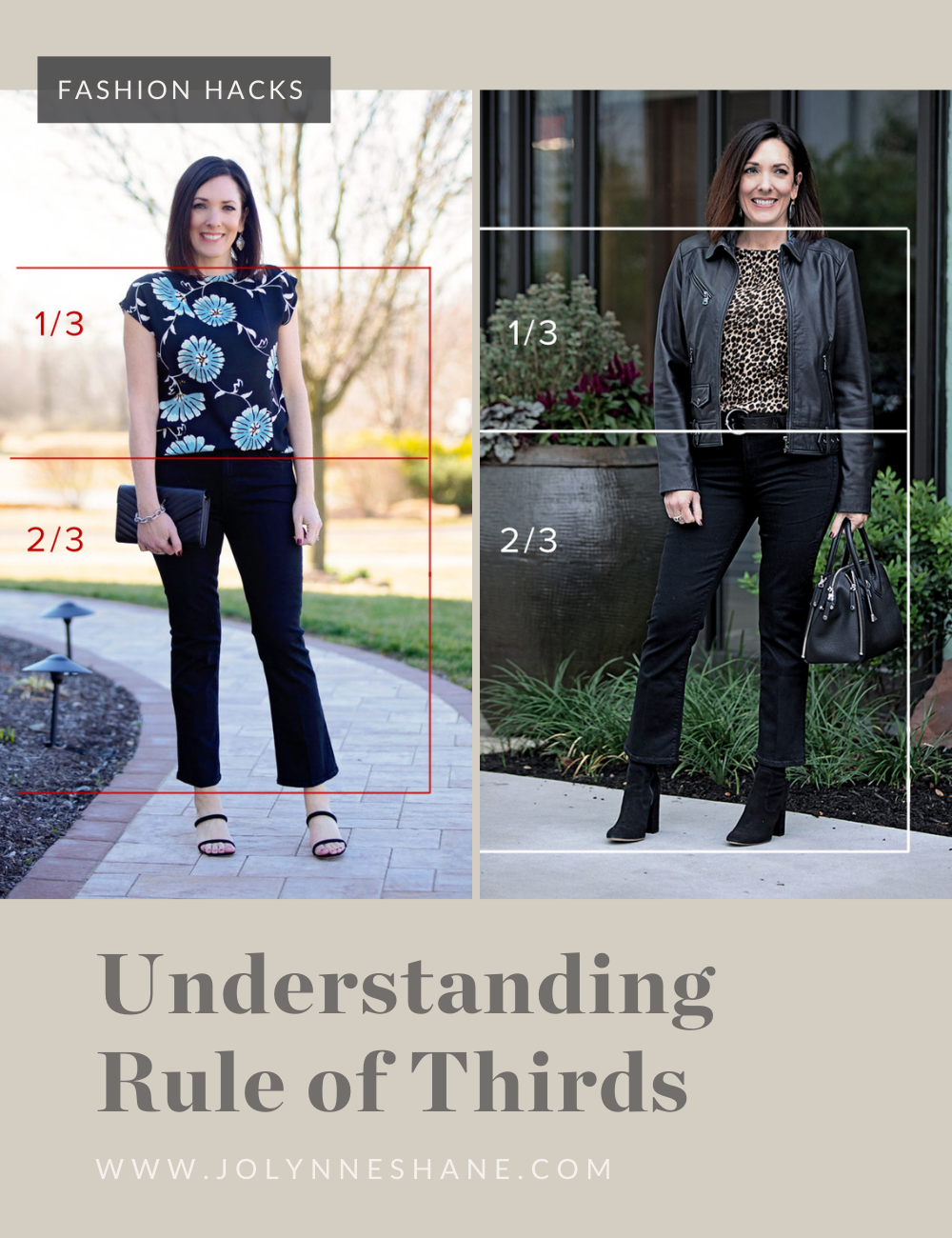
Layering works best when differences in length look purposeful. A longer shirt under a cropped jacket can create clear separation, while a long coat over a compact top and trousers keeps the outer silhouette clean.
Studying outfit proportion examples can help train your eye, but the mirror remains useful because garment length changes depending on your own height and body proportions.
Balance Volume Along With Length
Length isn’t the only factor. A long oversized sweater over wide trousers may create more visual weight than you intended, even if the colors work perfectly.
Try balancing one fuller area with something cleaner elsewhere. A roomy jacket can work well over a fitted or lightly structured base, while relaxed trousers may look clearer beneath a shorter, less bulky top.
People interested in layered closet combinations may notice that successful outfits often control volume as carefully as color.
| Layering Issue | What Creates It | Possible Adjustment |
|---|---|---|
| Torso looks crowded | Similar hem lengths | Create more separation |
| Outfit feels heavy | Too much volume | Simplify one layer |
| Legs look shortened | Long upper layers | Try a shorter outer piece |
| Layers disappear | Lengths are identical | Show deliberate contrast |
Pay Attention to the Waistline
The visible waistline strongly influences proportion. High-rise trousers with a tucked or shorter top often create a longer leg line, while several long upper layers can shift attention downward.
That doesn’t mean every outfit needs a defined waist. The point is to understand what your layers are doing visually.
Ideas from balanced wardrobe styling may offer useful references, but adjusting a hem by only a few inches can sometimes improve an existing outfit more than replacing the clothes themselves.
Test Layers While Moving
An outfit can look balanced while you’re standing still and become awkward once you walk or sit. Long shirts may bunch beneath jackets, while cardigans can catch against coats.
Move around before leaving home. Sit, raise your arms, and check how the garments settle afterward.
Why Adding More Layers Doesn’t Always Improve an Outfit
One common assumption is that an unfinished outfit simply needs another piece. Sometimes another jacket, vest, scarf, or overshirt creates more visual competition instead.
Removing one layer may reveal the stronger proportions underneath. Layering should create depth without making every garment demand attention. If you can’t tell which piece is supposed to lead the outfit, simplifying the combination is often a better move than adding another element.
Work With the Garments You Already Own
Changing proportions doesn’t always require shopping. Tucking a shirt differently, rolling sleeves, leaving a jacket open, or switching from a long cardigan to a shorter one can change the outline quickly.
Take a few mirror photos of combinations you like. Comparing them side by side can make proportion problems easier to identify than repeatedly changing clothes without a clear reference.
Frequently Asked Questions
Should every clothing layer be a different length?
No. Some matching lengths can create a clean silhouette. Problems usually appear when several visible hems compete closely without a clear relationship or when the proportions feel accidental.
Can shorter people wear long layered outfits?
Yes. Long layers can work well at many heights. Keeping the outfit visually clean, controlling excess volume, and paying attention to where garments end usually matters more than following a strict height rule.
Does tucking a shirt help layered outfits?
It can. A full or partial tuck changes the visible waistline and may create clearer separation between the upper and lower parts of an outfit.
Adjust Before You Add
Better layering often comes from rearranging what you’re already wearing. Check where each piece ends, balance volume, and notice how the outfit moves. Small adjustments to length can make familiar garments look more intentional without forcing you to rebuild the entire combination.