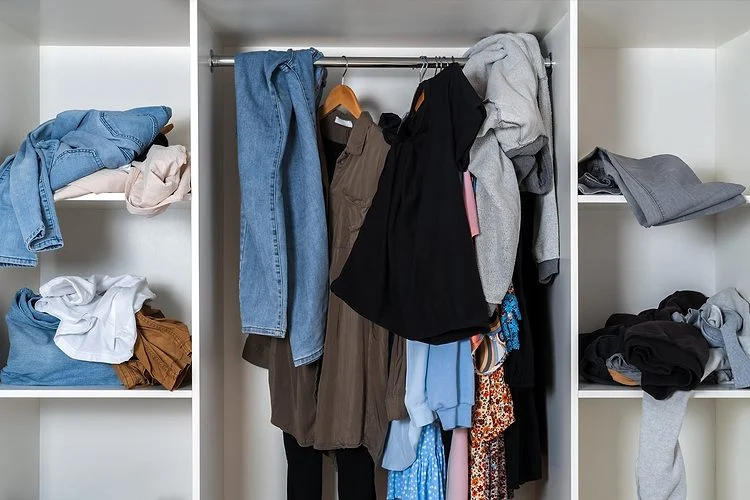
Closet decluttering becomes difficult when every item seems connected to a memory, future possibility, or money already spent. Instead of making emotional decisions about every garment, use a few simple rules that focus on fit, condition, usefulness, and frequency of wear. Clear standards turn an overwhelming closet into a manageable sorting project.
Start With Easy Decisions
Don’t begin with sentimental clothing. Build momentum by removing damaged pieces, uncomfortable items, obvious duplicates, and anything you already know you dislike wearing.
Working by category can make decisions easier. Sort shirts first, then pants, dresses, outerwear, and accessories rather than emptying the entire closet onto the floor at once.
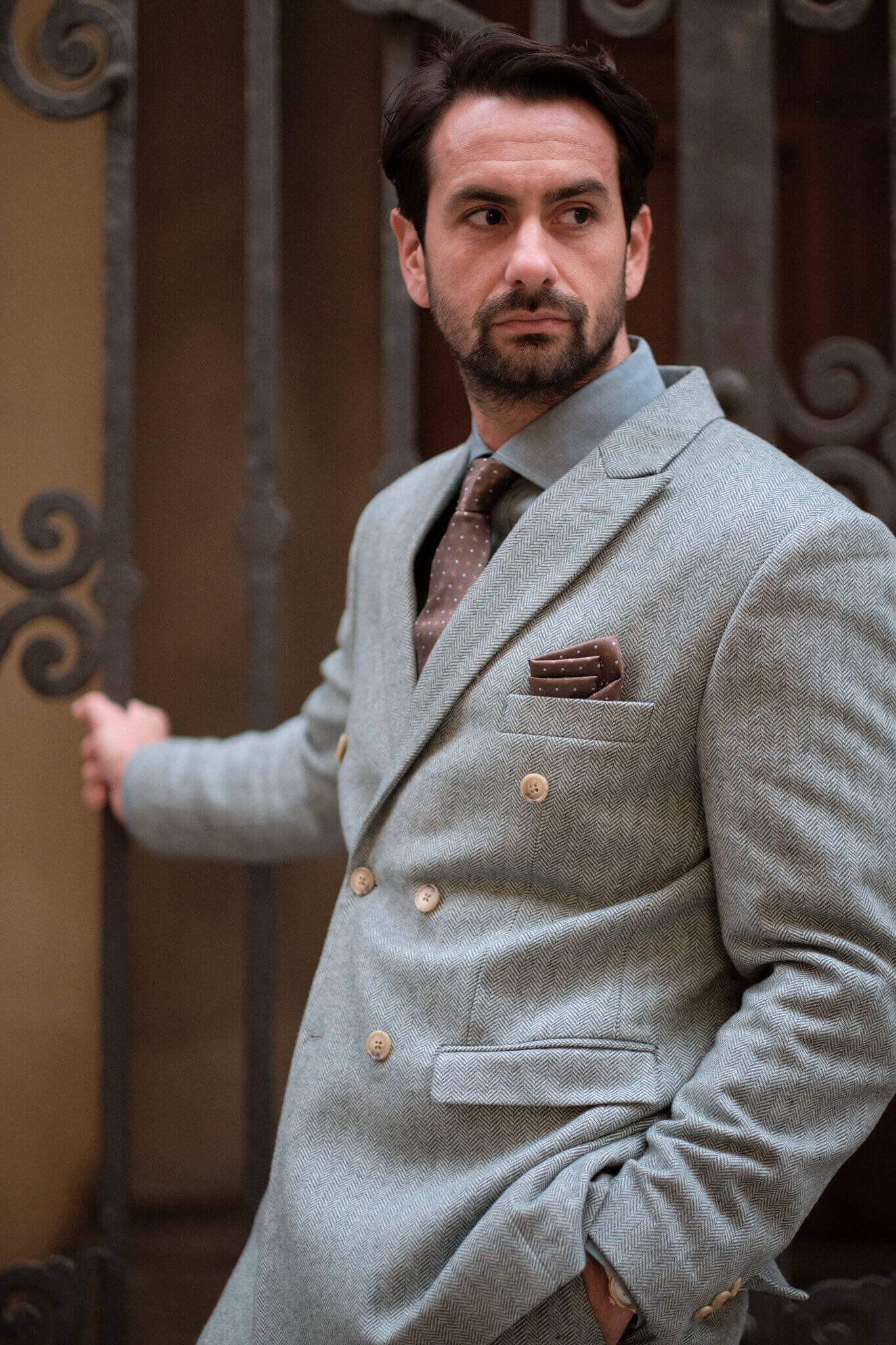
Looking through practical fashion ideas may also remind you how many outfits can be created from fewer well-chosen pieces, which can reduce the temptation to keep everything.
Use Clear Rules Instead of Mood
Decluttering becomes inconsistent when today’s decision depends entirely on how you feel about an item. A simple rule creates a repeatable standard.
Ask whether the garment fits comfortably now, works with your current lifestyle, remains in usable condition, and has been chosen voluntarily within a reasonable period.
| Question | Keep When | Remove When |
|---|---|---|
| Does it fit? | Comfortable now | Consistently uncomfortable |
| Is it wearable? | Good condition | Damaged beyond repair |
| Does it get chosen? | Used regularly | Repeatedly ignored |
| Does it combine easily? | Works with outfits | Difficult to style |
Separate Guilt From Practical Value
Money already spent can make clothing difficult to release. But keeping an unused purchase doesn’t recover that money; it mainly occupies space and reminds you of the purchase.
Some people find refined clothing inspiration helpful when redefining what they want their wardrobe to look like. The key is comparing those ideas with your real needs rather than replacing one overcrowded closet with another.
If an item has resale value, selling may make sense. Otherwise, donation, textile recycling, repurposing, or passing suitable pieces to someone else can create a more useful outcome.
Create a Maybe Zone With a Deadline
Not every decision needs to happen immediately. Place uncertain pieces in a separate box or section and set a specific review date.
If you don’t reach for those items during the trial period, that absence provides useful information. Clothing that remains forgotten even when you’re deliberately testing its usefulness usually isn’t serving much purpose.
Exploring current wardrobe combinations can help you test whether a questionable piece truly has styling potential or whether you’ve been keeping it for an imagined outfit that never happens.
Common Decluttering Mistakes
Throwing away too much at once can create regret and force unnecessary replacement shopping. Decluttering should improve the wardrobe, not leave obvious functional gaps.
Another mistake is keeping every item that technically fits. Fit matters, but so do comfort, condition, usefulness, and personal preference. A garment can fit perfectly and still remain untouched because the fabric feels wrong or the style no longer suits your routine.
Frequently Asked Questions
What should I do with clothes I might wear again?
Place them in a temporary holding area rather than returning them directly to your main closet. Revisit the group after a set period and keep only items you genuinely missed or intentionally wanted to wear.
How often should I declutter my closet?
A small review once or twice a year works for many wardrobes. Short seasonal checks can also prevent clutter from building up, especially when clothing changes between warm and cold weather.
Should sentimental clothes stay in my main closet?
Not necessarily. Sentimental pieces that aren’t worn can be stored separately from everyday clothing. That preserves the memory without allowing keepsakes to take up valuable daily wardrobe space.
Keep What Supports Your Current Life
Decluttering works best when removal isn’t the main goal. The real objective is making useful clothing easier to see and wear. Apply consistent rules, give uncertain items a fair test, and stop asking your closet to store every version of your past or imagined future.