Not every ATM on the market is built the same, and that’s a lesson many first-time buyers learn the hard way. Scrolling through listings of ATM machines for sale without a clear sense of what your business actually needs can lead to overspending on features you won’t use, or worse, ending up with a machine that can’t keep up with customer demand. Before making a purchase, it helps to slow down and think through a few practical questions that will shape which machine actually makes sense.
Start With How the Machine Will Actually Be Used
The right ATM for a busy convenience store looks nothing like the right ATM for a small boutique with occasional cash needs. Transaction volume, customer foot traffic, and even the typical withdrawal amounts customers request all factor into which machine makes sense. Buyers who skip this step and default to whatever’s cheapest, or whatever’s most popular, often end up with equipment that’s either overkill or undersized for their actual situation.
Size and Placement Deserve More Thought Than They Usually Get
Physical space matters more than most first-time buyers expect. Some units are designed as compact countertop models, while others are freestanding and require considerably more floor space. Before finalizing a purchase, it’s worth measuring the intended location and confirming the machine will fit comfortably without crowding walkways or checkout areas. A machine that looks great in a listing photo can feel completely out of place once it’s actually sitting in your store.
Cash Capacity Affects How Often You’ll Be Refilling It
Machines vary significantly in how much cash they can hold, and this directly impacts how often replenishment is needed. Higher-capacity units mean fewer refill trips, which can be a meaningful convenience for busier locations. Lower-traffic businesses, on the other hand, might find a smaller-capacity machine perfectly adequate, avoiding the unnecessary cost of oversized equipment.
Connectivity Options Aren’t All Interchangeable
Machines typically connect through one of a few methods: phone line, Ethernet, or wireless, and the right choice often comes down to what’s already available at the installation site. Wireless connectivity tends to offer the most flexibility for locations without existing wired infrastructure, though it can come with different fee structures compared to wired options. This is worth clarifying before purchase rather than after.
Don’t Overlook Ongoing Costs When Comparing Listings
The sticker price on ATM machines for sale rarely tells the full story. Processing fees, maintenance costs, and eventual repairs all factor into the real cost of ownership over time. A slightly more expensive machine with lower ongoing fees can end up being the more economical choice once you look past the initial purchase price.
Manufacturer Support Matters More Than Buyers Realize
Technical issues happen eventually, no matter how reliable a machine is. Buyers should check what kind of support and warranty coverage comes with a purchase, since a lack of manufacturer backing can turn a minor technical hiccup into an extended period of downtime, and lost transaction revenue, while waiting for a fix.
Weighing New Versus Refurbished Options
Refurbished machines can offer meaningful savings, but it’s worth confirming their condition, remaining warranty coverage, and compatibility with current card network requirements before committing. New machines carry a higher upfront cost but typically come with longer support windows and fewer unknowns.
Conclusion
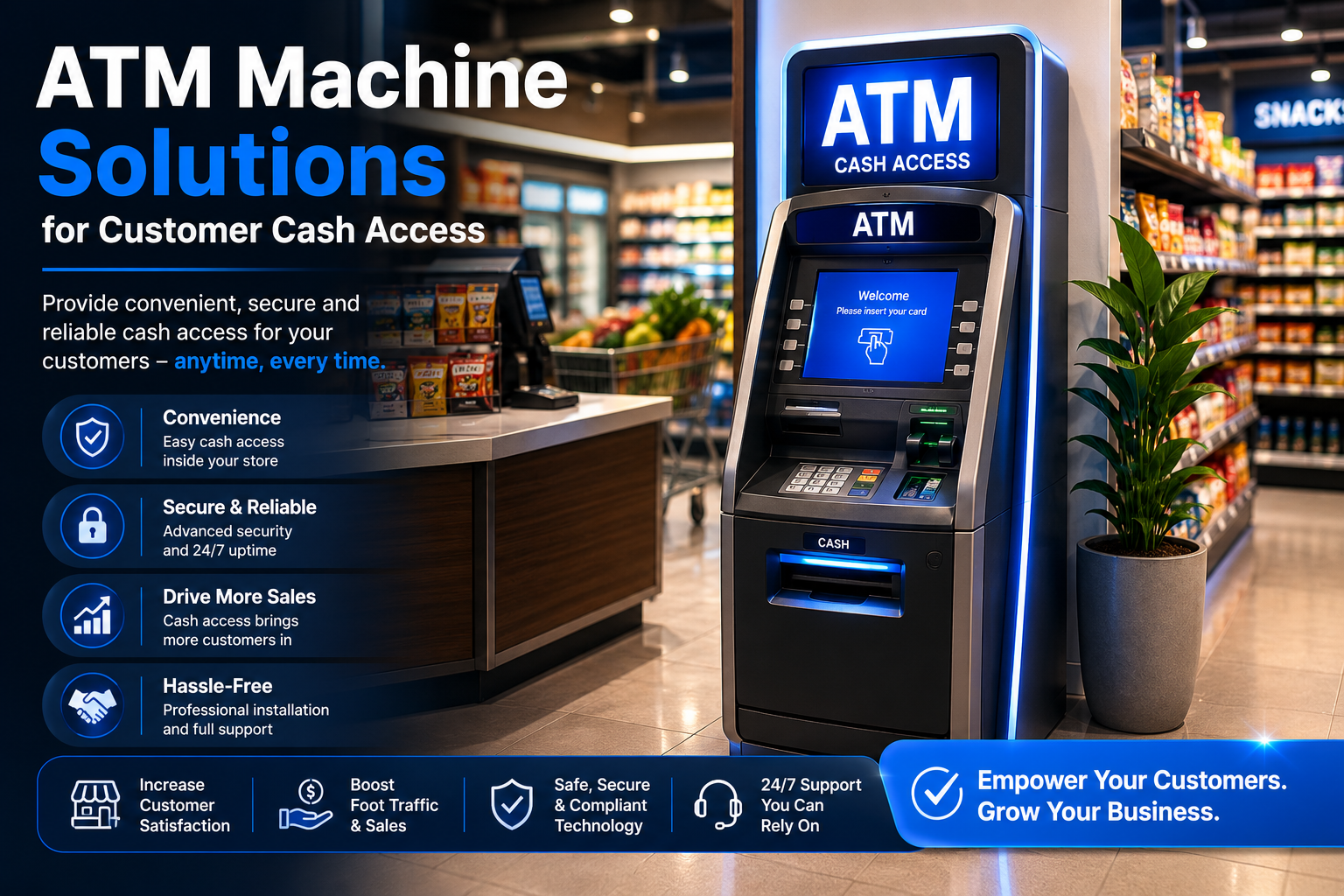
Working through these considerations before purchasing helps ensure the machine you choose actually fits your business, rather than just fitting your budget. Taking time with this decision pays off well beyond the initial purchase. For businesses specifically operating in storefront environments, focusing on retail ATMs built with those conditions in mind can make the difference between a machine that blends into daily operations and one that becomes a constant hassle.