
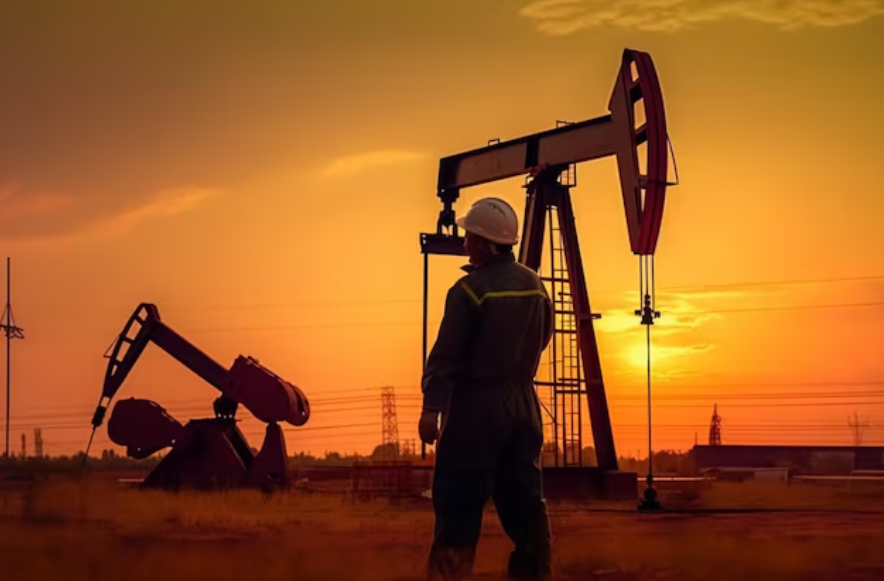
Oil may begin its journey at a well and end up as fuel for aircraft, ships, vehicles, or industrial equipment, but the route between those points is rarely simple.
Crude and refined products often pass through traders, shipping companies, storage terminals, financial institutions, refiners, and distributors before reaching their final market.
Companies such as Petrichor Energy operate within this middle layer of the industry. Rather than being defined primarily by oil production or retail fuel sales, their role is connected to trading, logistics, market access, and the coordination required to move commodities between suppliers and buyers.
Understanding the Global Oil Supply Chain
The oil supply chain begins with exploration and production. Energy companies extract crude oil, which then needs to be transported, sold, processed, and distributed. Some producers sell directly to refiners, but many cargoes enter international commodity markets where traders help connect available supply with buyers.
Refineries convert crude into products such as gasoline, diesel, jet fuel, and fuel oil. These products may then cross several borders before reaching end users.
Between production and consumption sits an extensive commercial network. Storage terminals provide temporary capacity, tankers move cargoes between regions, banks support large transactions, and trading companies coordinate deals between parties that may operate thousands of kilometres apart.
Where Independent Oil Traders Fit In
Independent traders help bridge gaps between supply and demand. A refinery in one country may need a particular grade of crude, while a producer elsewhere has suitable cargo available. Traders can identify these opportunities and help bring both sides together.
Their work may involve negotiating commercial terms, arranging transportation, coordinating delivery schedules, managing documentation, and responding to changes in market prices.
Traders also need to understand regional demand. A temporary shortage in one market or excess supply in another can create opportunities to redirect cargoes. In this sense, oil trading is not simply about buying at one price and selling at another. It also involves timing, logistics, financing, and knowledge of international markets.
How Petrichor Energy Fits Into the Trading Layer
Petrichor Energy describes itself as a natural resources and infrastructure company with activities involving fuel oil, jet fuel, gasoil, gasoline components, dry bulk commodities, and minerals.
This helps explain where petrichor energy oil trading fits into the wider supply chain. Its position is primarily between commodity suppliers and the buyers that need those products in particular markets. That can require coordinating the commercial, logistical, and financial sides of a transaction rather than physically producing the underlying commodity.
The business previously operated as CE Energy before adopting the Petrichor Energy name. Financial Times reporting has linked its earlier growth to significant international oil-trading activity and reported that the company has since been developing opportunities in other markets.
How International Oil Trades Come Together
A typical oil transaction begins when a trader identifies available supply and a potential buyer. Both sides must agree on the product, volume, price, delivery location, timing, and payment terms.
From there, the logistical work becomes important. A cargo may need a tanker, access to a terminal, inspection, insurance, and detailed shipping documentation. Even a commercially attractive trade can become difficult if the vessel cannot arrive within the required delivery window or suitable storage is unavailable.
Storage is particularly valuable because oil supply and demand do not always occur at the same moment. Terminals allow products to be held until a buyer, vessel, or suitable market becomes available.
Why Finance and Compliance Matter
Oil cargoes can represent large financial commitments, so banks and other financial institutions are important to international trading. Credit arrangements, payment systems, insurance, and risk management all help transactions move forward.
Compliance has become equally important. Companies operating internationally must consider sanctions rules, counterparties, vessel ownership, beneficial ownership, product origin, and the jurisdictions involved in a transaction.
Petrichor Energy’s published sanctions policy, for example, includes requirements for screening counterparties and vessels and considering beneficial ownership before transactions are completed.
Adapting to New Energy Markets
Commodity traders also have to follow changes in where oil is being produced and where new commercial opportunities are appearing.
In 2026, the Financial Times reported that Petrichor Energy planned to expand its presence in Guyana, including establishing a trading office and pursuing opportunities involving crude oil and refined fuels.
Such expansion illustrates how trading companies can reposition themselves as new production centres emerge and regional energy markets develop.
To Sum Up
Petrichor Energy therefore fits into the global oil supply chain mainly as an intermediary connecting commodities with international markets. Its role shows why the modern oil industry is about much more than extracting and refining crude. Moving energy across borders requires a network of traders, transport providers, storage facilities, financial institutions, and buyers working together to keep products flowing from where they are available to where they are needed.


