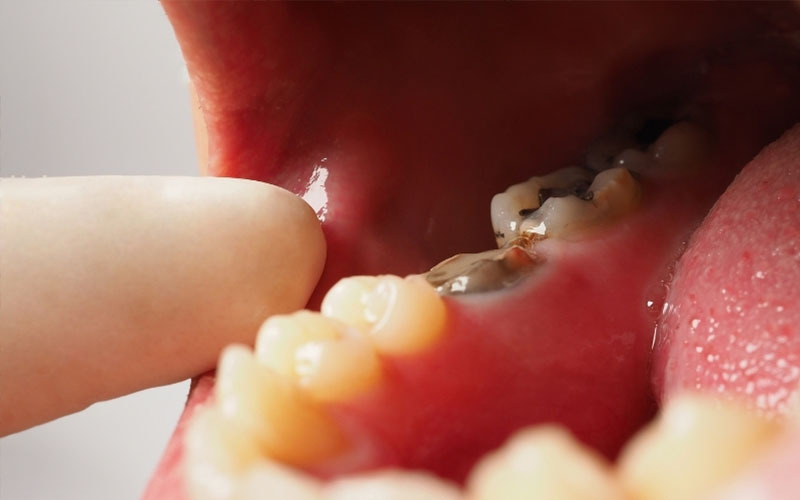
Repeated cavities aren’t simply a matter of having “weak teeth.” Tooth decay develops through an ongoing interaction between oral bacteria, sugars or starches, acids, saliva, fluoride, and cleaning habits. If new cavities keep appearing, changing the frequency of sugar exposure and strengthening daily plaque control can address two important parts of that process.
Why Do Cavities Keep Developing?
Decay-causing bacteria use sugars and starches from foods and drinks to produce acids that remove minerals from enamel. Repeated acid exposure can eventually weaken enamel enough for a cavity to form.
This means eating habits matter beyond the total amount of sugar consumed. Frequent sipping or snacking can repeatedly expose teeth to the decay process. People may keep assorted online bookmarks for everyday topics, but cavity risk should be judged from oral-health factors rather than unrelated web content.
Reduce Repeated Sugar Exposure
Sweetened drinks, candy, baked goods, and many starchy snacks can contribute to acid production when consumed frequently. A practical goal is to reduce how often teeth encounter these foods rather than assuming that one perfect diet is necessary.
Water between meals can also avoid adding another sugar exposure. While general lifestyle reading might influence broader routines, dietary decisions aimed at preventing decay should follow established dental guidance rather than promotional or unrelated material.
Pay Attention to Drinks
Sugary beverages can be easy to overlook because they’re consumed gradually. Repeated sipping extends the number of occasions when oral bacteria have access to fermentable carbohydrates, so beverage habits deserve the same attention as sweets.
Cleaning and Fluoride Work Together
NIDCR recommends brushing twice daily with fluoride toothpaste and regularly cleaning between teeth. Fluoride can help prevent decay from progressing and can support remineralization during the early stage before a permanent cavity forms.
Consistency matters more than occasional aggressive cleaning. Someone sorting through broad digital reading may encounter many oral-care opinions, but established preventive measures such as fluoride toothpaste, interdental cleaning, and routine dental visits have a clearer clinical basis.
| Habit | Effect on Teeth | Better Direction |
|---|---|---|
| Frequent sugary sipping | Repeated acid exposure | Reduce frequency |
| Skipping interdental cleaning | Plaque remains between teeth | Clean between teeth regularly |
| Inconsistent brushing | Plaque stays longer | Brush routinely |
| Ignoring early decay | Damage may progress | Attend dental checkups |
What People Commonly Misunderstand About Cavities
Brushing immediately before a dental appointment can’t compensate for an inconsistent routine. Decay reflects patterns that develop over time, especially around areas where plaque repeatedly remains.
Another mistake is assuming that pain is required before a cavity exists. NIDCR explains that early tooth decay often causes no symptoms. Pain or sensitivity may appear as decay advances, which is one reason regular examinations matter.
Signs That Need Faster Dental Attention
Book a dental examination if you develop persistent toothache, new sensitivity to hot, cold, or sweets, visible damage, or recurring food trapping around a tooth. NIDCR’s tooth decay guidance explains that advanced decay can cause pain and sensitivity.
Facial swelling, fever, or severe worsening dental pain can occur when infection develops and should be evaluated promptly. Significant swelling accompanied by difficulty swallowing or breathing requires urgent medical attention.
Frequently Asked Questions
Can early tooth decay be reversed?
Early mineral loss may sometimes be stopped or reversed before a physical cavity forms. Fluoride and saliva help return minerals to enamel, but once enamel breaks down and a cavity forms, dental restoration may be needed.
Does avoiding candy prevent all cavities?
No. Other foods and drinks containing sugars or starches can also contribute to acid production. Cleaning habits, fluoride exposure, saliva, dental anatomy, and how frequently teeth encounter fermentable carbohydrates also matter.
Why do I get cavities despite brushing?
Brushing is only one part of prevention. Technique, cleaning between teeth, fluoride exposure, eating frequency, dry mouth, and hard-to-clean tooth surfaces may all influence risk. A dentist can look for the specific pattern.
Change the Pattern, Not Only the Toothbrush
Frequent cavities are a signal to review the routine surrounding your teeth. Reduce repeated sugar exposure, use fluoride toothpaste consistently, clean between teeth, and keep regular dental appointments. If decay continues despite those steps, ask your dentist to assess individual risk factors instead of simply brushing harder and hoping the next cavity won’t appear.
This article is for general informational purposes and is not a substitute for professional medical or dental advice, diagnosis, or treatment.