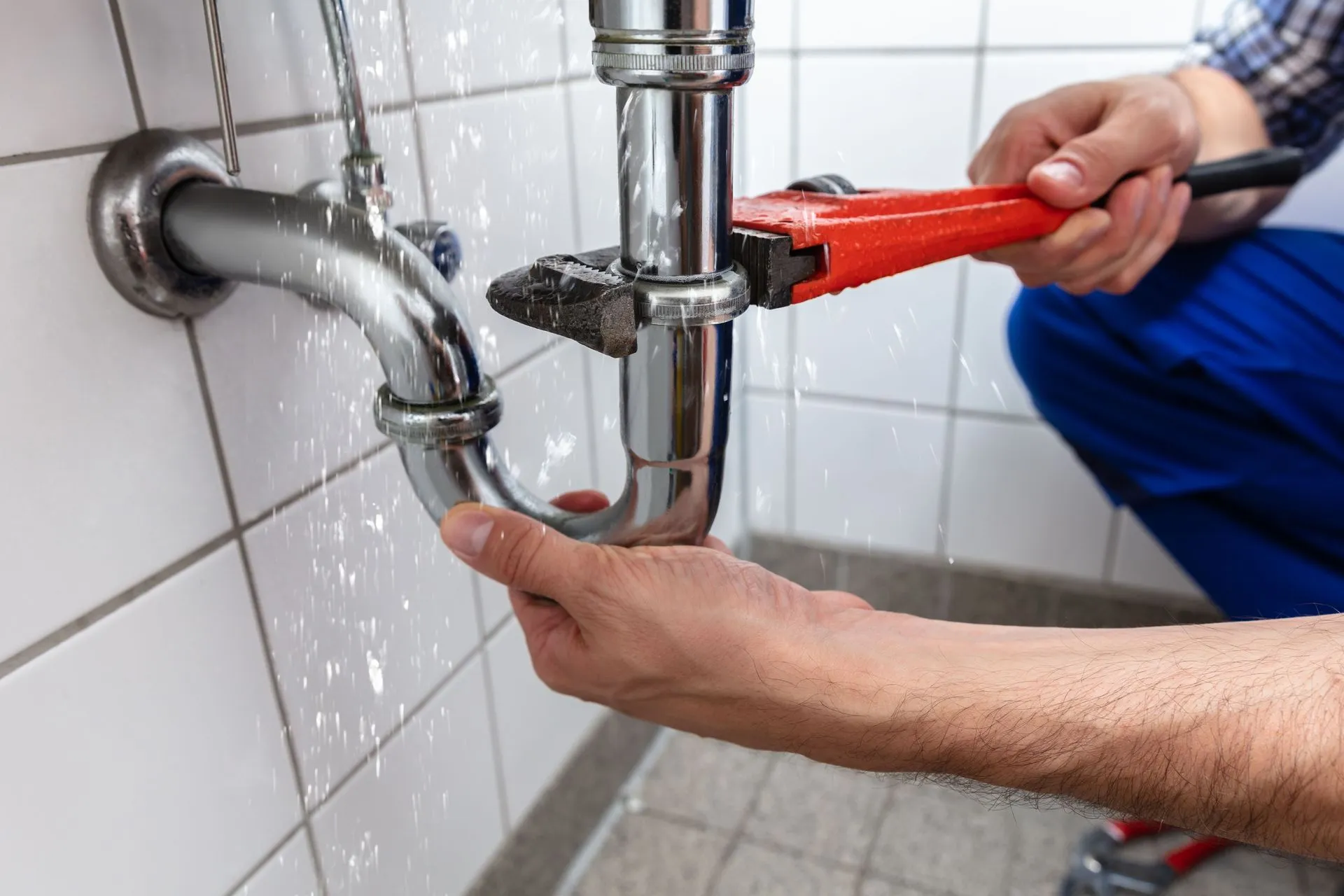
Plumbing repair delays can turn a small maintenance request into damage affecting walls, flooring, cabinets, ceilings, or neighboring units. A slow drip may not look urgent, yet water keeps moving into materials long after the visible surface is wiped dry. Fast investigation helps determine whether the problem is minor or requires immediate professional repair.
Small Leaks Can Create Larger Maintenance Jobs
A dripping connection beneath a sink may first require a simple plumbing repair. If ignored, moisture can swell cabinetry, stain finishes, damage drywall, or create conditions that support unwanted microbial growth.
Property owners reviewing condo operations guidance and other management information should treat water complaints as issues that require clear response procedures rather than informal promises to check them later.
Find the Source, Not Only the Wet Area
Water does not always appear directly beneath the failure point. It may travel along pipes, framing, flooring, or ceiling surfaces before becoming visible.
That makes accurate diagnosis important. Repainting a stain or drying a floor without correcting the source only hides the evidence temporarily.
Create a Clear Plumbing Response Priority
Not every plumbing issue has the same urgency. A dripping faucet can usually be scheduled differently from an overflowing fixture, active supply-line leak, sewage backup, or water entering electrical areas.
Clear maintenance priorities can be included with broader rental housing guidance so tenants and staff know which problems require immediate contact and which can follow the normal repair process.
| Plumbing Issue | Main Concern | Response Priority |
|---|---|---|
| Active pipe leak | Rapid water damage | Immediate |
| Slow hidden leak | Ongoing moisture | Prompt |
| Dripping faucet | Water waste | Routine |
| Slow drain | Possible blockage | Evaluate |
Inspect Areas Surrounding the Leak
Repairing the plumbing component is only part of the job when water has already escaped. Check nearby flooring, baseboards, ceilings, cabinets, wall surfaces, and adjacent rooms for signs that moisture traveled farther than expected.
Water-related inspections can also be grouped with outdoor property upkeep and routine building checks. Coordinating inspections reduces the chance that drainage, exterior water entry, or plumbing-related deterioration remains unnoticed.
Document Repeat Plumbing Complaints
A property with several similar leaks may have a pattern worth investigating. Recurring failures around old valves, supply connectors, drain fittings, or certain fixture types can signal that replacing one failed part at a time is becoming inefficient.
Record the location, cause, repair, and any surrounding damage. These records help identify whether the same component keeps failing and provide useful history when a plumber evaluates future work.
Why Temporary Fixes Often Cause Trouble
Buckets, towels, sealants, and temporary shutoffs can reduce immediate damage, but they shouldn’t become permanent solutions to active plumbing defects. A patch that lasts several days may create false confidence while moisture continues entering concealed materials.
Another mistake is assuming a small amount of visible water means a small problem. The quantity you can see may represent only part of the leak. Delayed investigation increases uncertainty because damaged materials can spread beyond the original repair area.
Frequently Asked Questions
Is a small plumbing leak considered an emergency?
It depends on the location and rate of leakage. Active water near electrical equipment, rapidly spreading water, major supply-line failures, or sewage problems deserve urgent attention. Minor controlled leaks should still be scheduled promptly before damage expands.
Who should tenants contact first about a leak?
Tenants should follow the property’s maintenance reporting procedure and provide the location, severity, and any visible damage. Property managers should make emergency contact instructions easy to find so serious water problems aren’t delayed by communication confusion.
Can a plumbing leak dry without causing damage?
Some surface moisture may dry without lasting damage, but water can remain trapped inside walls, flooring, cabinets, or insulation. After a meaningful leak, inspecting affected materials is safer than assuming everything is dry because the visible surface looks normal.
Stop Water Problems at the Source
The best time to address a plumbing leak is while the repair area is still small. Establish clear reporting procedures, investigate the source, repair defective components, and inspect surrounding materials after significant leaks. Quick action protects the property and keeps a manageable maintenance request from becoming a much larger restoration project.