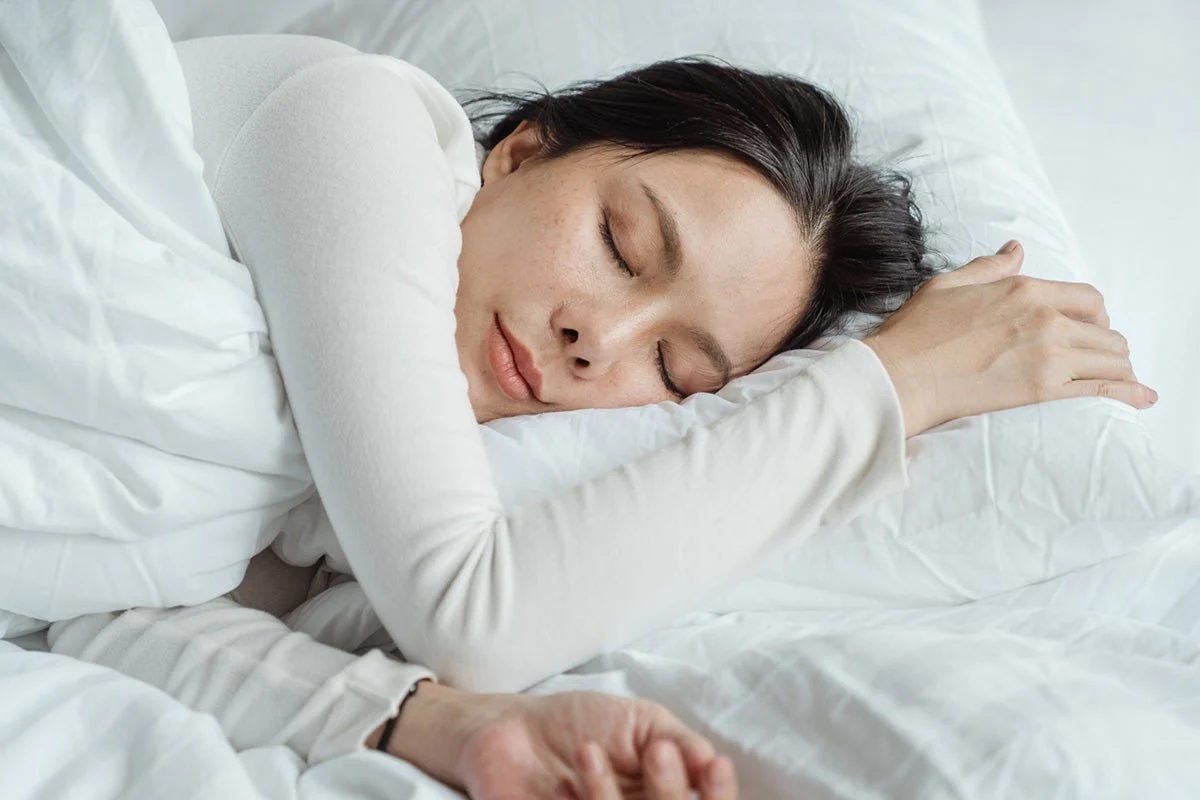
Night sweats, temperature shifts, difficulty falling asleep, and repeated waking can make menopause sleep problems exhausting. A cooler bedroom routine may reduce one source of disruption, especially when nighttime hot flashes leave you overheated.
Cooling isn’t a cure for every sleep problem. It works best as part of a consistent evening routine that also addresses light, caffeine, timing, and other sleep habits.
Why Can Menopause Disrupt Sleep?
During the menopausal transition, changing hormone levels are associated with symptoms including hot flashes and night sweats. Those episodes can interrupt sleep directly, while mood changes and nighttime awakenings may make returning to sleep harder.
The National Institute on Aging identifies hot flashes, night sweats, and mood changes as factors that can contribute to poor sleep during menopause.
Not every awakening is caused by menopause, though. Snoring, restless legs, medications, pain, urinary symptoms, anxiety, or an underlying sleep disorder can also interfere with rest.
Build a Cooler Bedtime Environment
Aim for a bedroom temperature that feels comfortably cool rather than cold. Breathable sleepwear and bedding that can be removed in layers may make sudden temperature changes easier to handle.
Keeping evening routines uncomplicated can help. Someone organizing calmer daily routines might pair a cooler room with a predictable bedtime rather than constantly changing several habits at once.
Reduce Heat Before It Builds
Heavy bedding, a warm bedroom, and strenuous activity immediately before bed may leave some people uncomfortable. Experiment with lighter layers and keep water nearby if night sweats leave you thirsty.
Small adjustments are easier to judge when you change one or two things at a time.
Protect the Rest of Your Sleep Routine
Temperature is only one piece of sleep. Consistent sleep and wake times, reduced late-evening screen exposure, and avoiding caffeine late in the day may support better rest.
General wellness reading habits can introduce plenty of sleep suggestions, but changing everything simultaneously makes it difficult to know what actually helps. Keep the routine simple enough to repeat.
The NIA also advises maintaining a regular sleep schedule, limiting late naps, creating a bedtime routine, and avoiding large meals and caffeine near bedtime.
| Nighttime Problem | Routine Adjustment | What to Observe |
|---|---|---|
| Feeling overheated | Lighter bedding | Fewer heat awakenings |
| Irregular bedtime | Fixed sleep schedule | Easier sleep onset |
| Late caffeine | Move it earlier | Nighttime alertness |
| Repeated waking | Keep a sleep log | Pattern over time |
Track Which Changes Actually Improve Rest
A short sleep record can reveal whether awakenings occur around the same time, accompany sweating, follow alcohol or caffeine, or happen independently of hot flashes.
Using daily wellness tracking or a simple notebook can make patterns easier to recognize. Record bedtime, awakenings, night sweats, morning energy, and any significant routine changes rather than creating an elaborate sleep diary.
Why Cooling Alone Sometimes Fails
It’s tempting to blame every restless night on room temperature. But a perfectly cool bedroom won’t correct persistent insomnia, sleep apnea, significant anxiety, medication effects, pain, or another medical problem.
Alcohol can also feel sedating initially while contributing to disrupted sleep later. And repeatedly changing pillows, supplements, bedding, and bedtime routines may create more uncertainty instead of identifying the main problem.
When Do Sleep Problems Need Medical Evaluation?
Talk with a health professional when sleep problems persist, significantly affect daytime functioning, or remain troublesome despite reasonable sleep habits. Frequent loud snoring, gasping during sleep, severe daytime sleepiness, worsening mood symptoms, or recurrent nighttime breathing problems also deserve evaluation.
Seek urgent medical care for serious symptoms such as new severe breathing difficulty, chest pain, fainting, or other symptoms that suggest an immediate medical problem rather than ordinary menopause-related sleep disruption.
Frequently Asked Questions
Are night sweats always caused by menopause?
No. Night sweats can occur during the menopausal transition, but medications, infections, environmental heat, and other health conditions can also contribute. Persistent or unexplained sweating should be discussed with a health professional.
Should I sleep in a very cold bedroom during menopause?
Not necessarily. The goal is a comfortably cool environment that supports sleep, not an extreme temperature. Adjustable bedding and breathable clothing may be easier to manage when body temperature changes during the night.
Can menopause cause insomnia without night sweats?
Yes. Sleep difficulty during menopause isn’t limited to hot flashes. Mood changes, nighttime urination, stress, age-related sleep changes, and independent sleep disorders may also contribute to trouble falling or staying asleep.
Build a Routine You Can Repeat
A cooler bedroom can remove one avoidable source of discomfort, but consistency matters more than chasing a perfect temperature. Start with breathable layers, a comfortable room, regular sleep timing, and a simple record of what changes.
If disrupted sleep keeps affecting your days, bring that pattern to a health professional rather than assuming menopause is the only explanation.
This article is for general informational purposes and is not a substitute for professional medical advice, diagnosis, or treatment.