A battery can be fully charged and still struggle to start an engine if its terminals cannot carry current reliably. Loose battery connections create resistance between the battery posts and cables, causing intermittent starting, flickering electronics, charging problems, or sudden loss of electrical power.
Checking terminal tightness is a simple diagnostic step that can prevent unnecessary battery replacement.
Why Battery Terminal Contact Matters
Starting an engine requires a large electrical current for a short period. A loose terminal reduces the quality of the connection, and even minor movement may interrupt current when the starter demands the most power.
People reading practical vehicle care material often focus first on battery age. Connection quality deserves equal attention because a new battery cannot compensate for a poor cable connection.
Resistance Creates Heat and Voltage Loss
Electrical resistance can reduce the voltage reaching the starter. It may also produce heat at the connection point, especially when high current passes through a loose or contaminated terminal.
A connection that looks acceptable from above may still have corrosion or poor contact underneath the clamp.
Signs a Battery Terminal May Be Loose
A clicking sound followed by no engine crank can occur when current delivery is weak. Dashboard lights may work normally until the key is turned, then suddenly dim as the starter attempts to operate.
Intermittent electrical behavior can be especially confusing for drivers exploring mobility efficiency ideas because it can resemble a weak battery, alternator problem, or starter failure.
| Symptom | Possible Connection Problem | Useful Check |
|---|---|---|
| Single click | High resistance | Inspect terminal fit |
| Lights dim heavily | Voltage drop | Check cable contact |
| Random no-start | Intermittent connection | Test for movement |
| Electronics reset | Brief power loss | Inspect both terminals |
Safe Terminal Inspection Basics
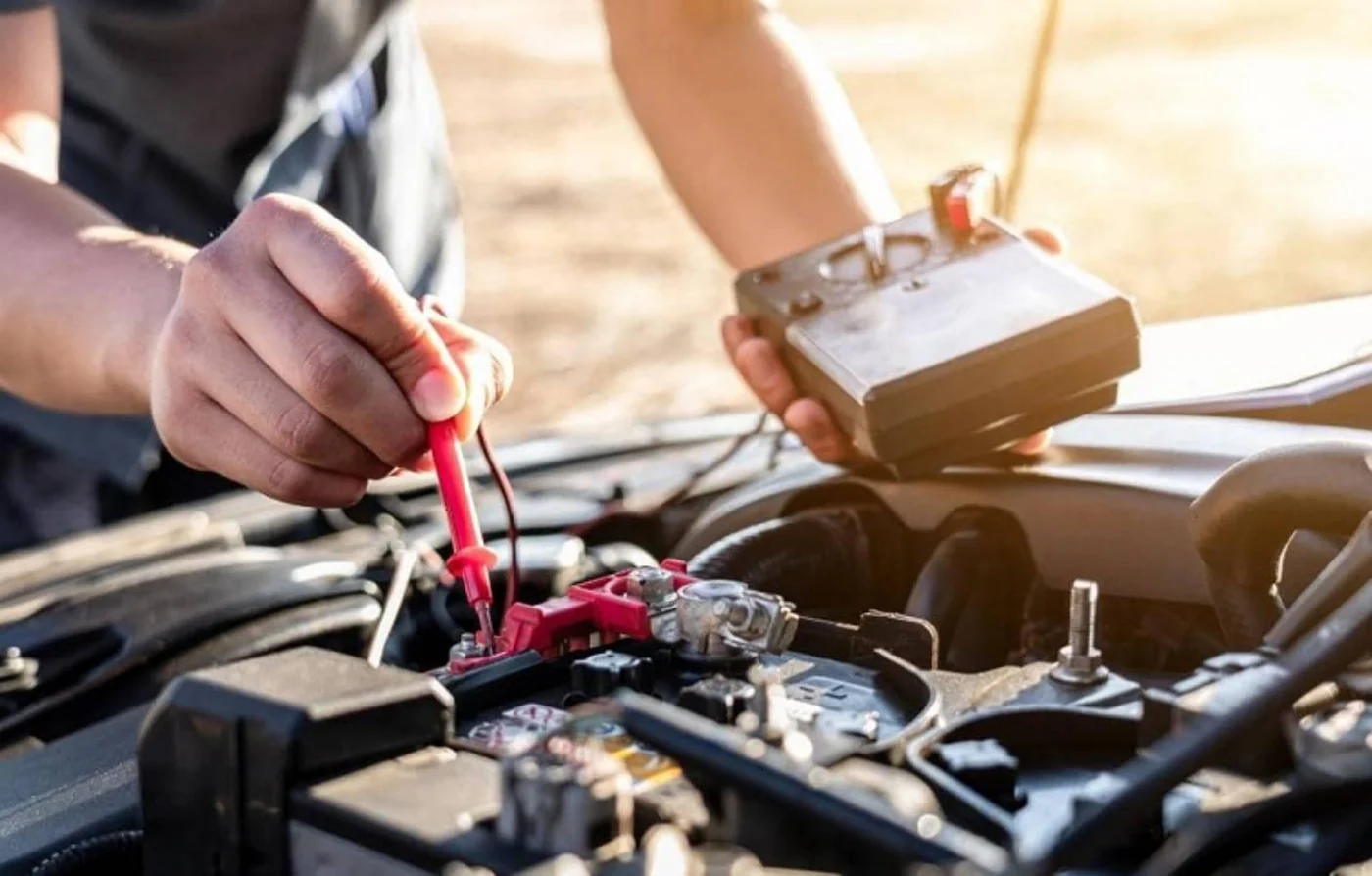
With the vehicle switched off, look for clamps that can rotate or move by hand. A properly secured terminal should remain firmly seated on the battery post.
Visible white, green, or blue buildup may indicate corrosion. Broader vehicle comfort insights may focus on driving refinement, but reliable cabin electronics, power accessories, and starting performance all depend on stable electrical connections.
Cable Condition Matters Too
Tightening a clamp will not repair a damaged cable. Frayed strands, swollen insulation, broken terminal ends, or heavy corrosion inside the cable can continue causing voltage loss.
Battery cables should be inspected as complete assemblies rather than treating the clamp as the only possible failure point.
Why the Problem Can Seem Random
Temperature, vibration, engine movement, and the position of the cable can change how well a loose terminal makes contact. A vehicle may start normally several times before refusing to crank without warning.
That inconsistency can lead owners to replace batteries or starters before checking a much simpler connection problem.
Common Mistakes During Battery Service
Overtightening terminals can damage clamps or battery posts. Excess force may deform softer metal parts without improving electrical contact.
Another mistake is assuming a clean-looking terminal must be electrically sound. Resistance can exist between contact surfaces or inside damaged cable ends, so voltage-drop testing may be useful when the problem remains unexplained.
Frequently Asked Questions
Can a loose battery terminal drain the battery?
A loose terminal does not necessarily create a direct drain, but it can prevent proper charging while the engine is running. Repeated starting attempts may then discharge the battery further.
Can loose terminals damage the alternator?
Poor connections can create unstable charging conditions and should be corrected promptly. Whether other components have been damaged requires testing rather than assuming the alternator has failed.
Why does moving the battery cable sometimes make the car start?
Movement can temporarily improve contact between the terminal and battery post. That is a strong reason to inspect and repair the connection rather than relying on cable movement as a starting method.
Fix the Connection Before Buying Parts
Electrical starting problems do not always mean an expensive component has failed. Before replacing a battery, alternator, or starter, inspect the battery posts, clamps, and cables for looseness, contamination, and damage. Correcting a poor connection early can restore dependable starting and prevent repeated electrical troubleshooting.