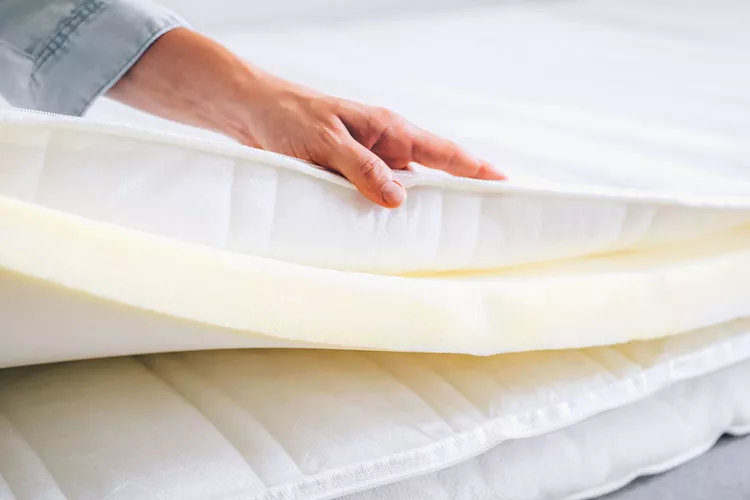
Mattress stains need controlled cleaning because too much liquid can travel through the fabric and remain trapped in the foam. The goal is to lift surface residue while keeping moisture to a minimum. Blotting, light application, and patient drying are safer for the mattress than saturating the stained area and hoping it dries later.
Check the Stain Before Adding Moisture
Remove sheets and mattress protectors, then inspect the stain in bright light. Fresh spills, old discoloration, and greasy marks don’t always respond the same way, so avoid automatically pouring cleaner over the entire area.
Vacuum loose dust first. People often combine mattress care with other home-care reading, but separating dry debris from the stain before using moisture makes the cleaning process easier to control.
Blot Instead of Rubbing
For a fresh spill, press a clean absorbent cloth into the area and lift it away. Repeat with a dry section of cloth until little moisture transfers.
Hard rubbing can spread the stain outward and push liquid deeper. Work from the outside edge toward the center instead.
Use Cleaner Sparingly
Apply a small amount of mild fabric-safe cleaning solution to a cloth rather than pouring it directly onto the mattress. Dab the stained fabric, pause, and check whether the mark is transferring.
General fabric-care topics can offer broader housekeeping context, but mattress foam creates one special limitation: trapped moisture may take much longer to escape than moisture on ordinary washable fabric.
| Cleaning Move | Better Approach | Main Reason |
|---|---|---|
| Pouring cleaner | Dampen a cloth lightly | Limits saturation |
| Hard scrubbing | Blot gently | Reduces spreading |
| Covering while damp | Air-dry uncovered | Releases moisture |
| Heavy deodorizer | Use a light layer | Easier to remove |
Freshen the Surface After Cleaning
After blotting away cleaner, allow the mattress to air-dry. Good airflow matters more than adding another product. A fan aimed across the surface can help move humid air away without adding heat.
Once dry, a light layer of baking soda can sit on the surface for a while before being thoroughly vacuumed. Broader household care resources may inspire longer cleaning routines, though keeping powder light makes removal easier.
Protect the Area Going Forward
A washable mattress protector creates a removable barrier between spills and the mattress. It won’t prevent every mark, but it can reduce how often liquid reaches the fabric and foam underneath.
Wash the protector according to its care label and make sure it is dry before returning it to the bed.
Where Mattress Cleaning Often Goes Wrong
The biggest mistake is treating a mattress like carpet. Soaking the stain may appear to dilute it, but the liquid has nowhere convenient to drain and can migrate deeper into padding.
Using several cleaners one after another can also create residue or discoloration. Never mix household cleaning chemicals. If the mattress manufacturer provides cleaning instructions, follow those first, especially for specialty foams or materials that may react poorly to moisture.
Frequently Asked Questions
Can I use water to clean a mattress stain?
A small amount may be appropriate for some surface stains, but saturation should be avoided. Apply moisture through a cloth or controlled spray and blot repeatedly rather than pouring water onto the mattress.
How can I tell whether a mattress is fully dry?
The surface should feel dry and coolness from evaporation should be gone. Give deeper padding additional drying time, especially after a larger spill, and keep bedding off until you are confident moisture has escaped.
Does baking soda remove mattress stains?
Baking soda is better for freshening and absorbing some odor than removing deep discoloration. Treat the actual stain first, let the surface dry, and then use baking soda as an optional finishing step.
Keep Moisture Under Control
Successful mattress cleaning is less about using a strong product and more about controlling how much liquid reaches the foam. Blot first, apply cleaner lightly, remove residue, and give the mattress plenty of uncovered drying time. That measured approach can freshen stained areas without turning a small surface problem into a damp mattress.