Basement drain odors usually mean sewer gases are finding a path into the room or organic material is decomposing inside a drain. A dry trap is one of the simplest explanations, particularly in floor drains that receive little regular water. Start with the drain itself before assuming the home’s entire sewer system has failed.
Find Which Drain Is Producing the Smell
Basements may contain floor drains, utility sinks, laundry drains, condensate lines, and plumbing cleanouts. Smell each area carefully rather than treating the whole basement as one source.
A floor drain that hasn’t been used for months deserves early attention. When planning basement living spaces, it’s easy to overlook drains that still serve an important plumbing function beneath finished surroundings.
Check for a Dry Trap
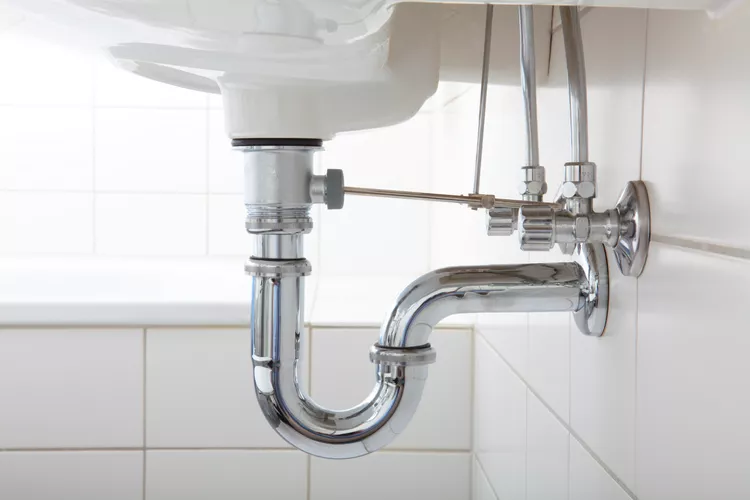
Most trapped drains hold water in a curved section of pipe. That water forms a barrier against gases from the drainage system.
If the water evaporates, the barrier disappears. Slowly adding water to an infrequently used drain may restore the seal, provided the drain and trap are otherwise intact.
Clean Organic Material From Accessible Drain Surfaces
Hair, soap film, dirt, laundry debris, and other organic material can create unpleasant odors without sewer gas being involved. Clean the drain cover and accessible surfaces with ordinary household cleaning methods suitable for the material.
Avoid mixing chemical drain cleaners. Homeowners comparing cleaner household setups should remember that strong chemicals can react dangerously with other products and may not fix the actual source of an odor.
| Odor Pattern | Possible Source | First Check |
|---|---|---|
| After long disuse | Dry trap | Add water |
| Musty smell | Damp debris | Clean surfaces |
| Persistent sewer odor | Seal or vent issue | Inspect plumbing |
| Near cleanout | Loose cap | Check closure |
Inspect Drain Covers, Cleanouts, and Nearby Fixtures
A loose or damaged cleanout plug can allow odors into a basement. Check accessible caps visually and look for cracks, missing plugs, or evidence of leakage.
Also inspect utility sinks and rarely used fixtures. Broader interior maintenance ideas can improve how a basement feels, but covering a suspicious drain or hiding it beneath furniture doesn’t solve an odor pathway.
Consider Whether the Trap Keeps Drying Out
If adding water solves the smell but the odor keeps returning, evaporation may be the reason. Some drains may benefit from a trap-primer arrangement that periodically replenishes water.
Repeated loss of the water seal can also indicate a plumbing or venting problem. A plumber can determine whether the trap is being siphoned or otherwise losing its seal.
What People Often Get Wrong
A strong sewer-like smell doesn’t automatically mean a damaged underground sewer pipe. Dry traps, loose cleanout plugs, poorly sealed fixtures, and dirty drains are often easier explanations to investigate first.
Masking the smell with fragrances is another poor strategy. Odor eliminators may make the room temporarily more comfortable while leaving the pathway untouched. The goal is to locate where air or odor is entering, then correct that point.
Frequently Asked Questions
Can a basement floor drain smell because it isn’t used?
Yes. Water in the trap can evaporate during long periods of disuse, allowing drainage-system odors to move through the pipe and into the basement.
How often should water be added to an unused drain?
There isn’t one schedule for every home because evaporation varies with temperature and humidity. Periodically checking rarely used traps is more useful than waiting for an odor to appear.
When should a plumber inspect a basement odor?
Call for professional help when odors persist after traps are filled and accessible surfaces are cleaned, or when you notice wastewater backup, leaking pipes, damaged cleanouts, or repeated trap-seal loss.
Stop the Odor at Its Entry Point
Work from the simplest possibilities toward the more involved ones. Fill dry traps, clean accessible drain areas, inspect cleanout caps, and observe whether the smell returns. Persistent sewer odors shouldn’t be covered up or ignored because a defective seal, venting issue, or drainage problem may require proper plumbing diagnosis.