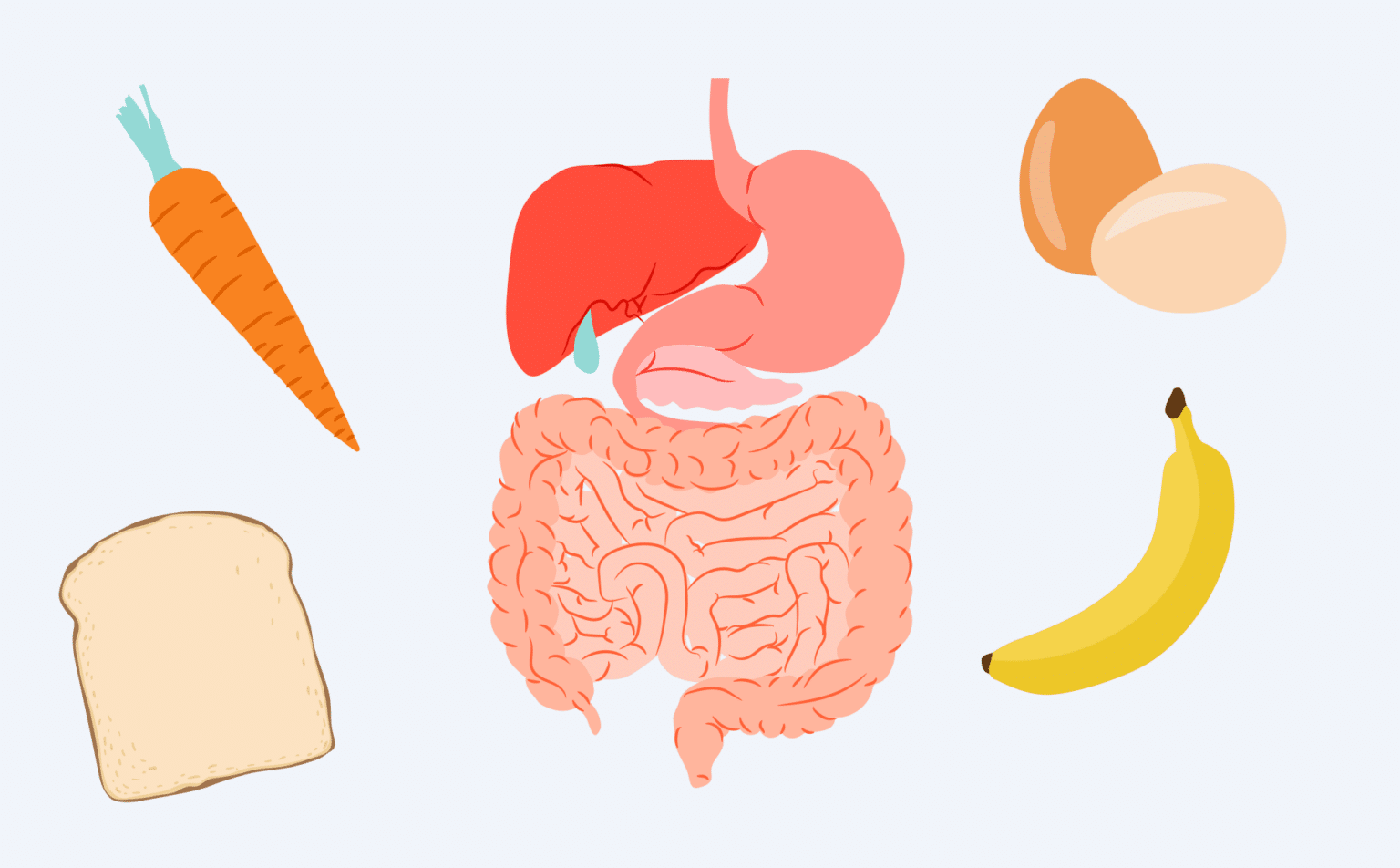
A sensitive stomach day may bring nausea, upper-abdominal discomfort, bloating, belching, or an uncomfortable feeling of fullness after eating. Instead of forcing your usual portions, it can be more comfortable to choose familiar foods you tolerate well, eat slowly, and avoid obvious personal triggers until symptoms settle.
What Does a Sensitive Stomach Actually Mean?
“Sensitive stomach” isn’t a specific diagnosis. People use the phrase for many digestive experiences, from occasional indigestion to reactions associated with particular foods.
NIDDK describes indigestion as a group of symptoms that may include upper-abdominal discomfort, early fullness, bloating, nausea, and belching. Symptoms can occur occasionally or become chronic.
That distinction matters because repeated symptoms shouldn’t automatically be blamed on one meal.
Choose Foods Based on Tolerance
During a flareup, complicated meals aren’t always appealing. Smaller servings of familiar foods such as oatmeal, rice, toast, soup, cooked vegetables, or other personally tolerated choices may feel easier than a large rich meal.
There isn’t one universal “sensitive stomach diet.” People browsing general lifestyle resources should treat food lists as starting points rather than guarantees. A food that feels comfortable for one person may trigger symptoms in another.
Reduce the Load on a Rough Digestive Day
Meal size can matter. Eating a large amount quickly may make fullness more noticeable, particularly when nausea, belching, or upper-abdominal discomfort is already present.
Try slowing down and stopping before becoming uncomfortably full. Wellness reading options may discuss many diet approaches, but a short symptom-and-food record can be more useful for identifying your own repeated patterns.
| Situation | Gentler Approach | What to Watch |
|---|---|---|
| Large meals worsen fullness | Try smaller portions | Early fullness |
| Spicy food triggers discomfort | Temporarily choose milder food | Burning or pain |
| Fizzy drinks increase bloating | Choose noncarbonated drinks | Belching or pressure |
| Eating fast feels worse | Slow the meal | Nausea or fullness |
Identify Repeat Triggers Without Over-Restricting
Some people notice symptoms after fatty foods, spicy dishes, caffeine, alcohol, or certain other foods and drinks. NIDDK notes that particular foods and beverages may trigger symptoms in some people with functional dyspepsia, although foods aren’t considered the cause of indigestion in every case.
Instead of removing numerous foods at once, watch for consistent associations. That gives more useful information than following broad restrictions encountered in health-focused web content.
What People Often Get Wrong
Calling every episode a “food sensitivity” can hide the real pattern. Stomach discomfort may be associated with eating habits, medicines, reflux, ulcers, functional digestive disorders, or other causes.
The opposite mistake is ignoring a repeated reaction because the food is considered healthy. Digestive tolerance is individual. What matters is whether a symptom repeatedly follows the same exposure and whether symptoms persist even after reasonable adjustments.
When Stomach Symptoms Need Medical Attention
Get medical advice when symptoms repeatedly return or fail to improve. Prompt assessment is particularly important for difficulty or pain with swallowing, frequent vomiting, bloody vomit, black stools, severe constant abdominal pain, unexplained weight loss, loss of appetite, yellowing of the skin or eyes, or shortness of breath. NIDDK identifies these as warning signs accompanying indigestion.
Chest pain spreading toward the jaw, neck, or arm also requires prompt medical attention.
Frequently Asked Questions
What should I eat when my stomach feels unusually sensitive?
Choose foods you already know you tolerate and consider smaller portions. Avoid assuming that a particular “bland” diet works for everyone, especially if symptoms keep returning.
Should I skip meals during a stomach flareup?
Skipping food isn’t automatically necessary. Depending on your symptoms, smaller and simpler meals may be more comfortable than either a large meal or a long period without eating.
Why does my stomach suddenly feel sensitive to normal foods?
Temporary digestive symptoms can have many causes, including changes in routine, illness, medicines, meal size, or an underlying digestive problem. Repeated or worsening sensitivity deserves proper evaluation.
Use Symptoms as Useful Feedback
A sensitive stomach day is a good reason to simplify meals, slow down, and pay attention to what your body consistently tolerates. It isn’t a reason to create a long list of forbidden foods after one uncomfortable meal.
If symptoms become frequent, severe, or unexplained, take the pattern to a healthcare professional. A clear description of timing, meals, and symptoms can make that conversation much more useful.
This article is for general informational purposes and is not a substitute for professional medical advice, diagnosis, or treatment.