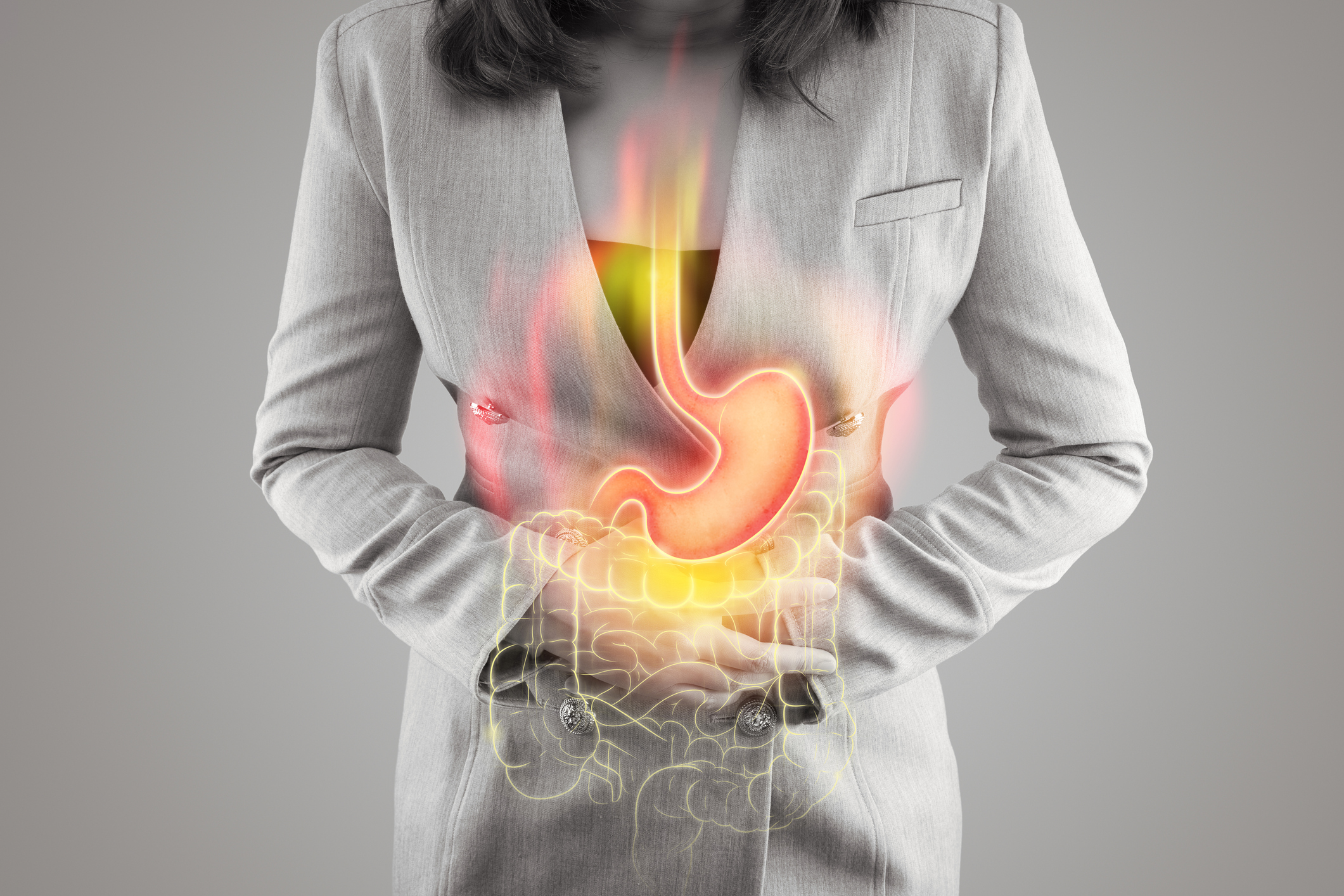
Frequent heartburn episodes can sometimes be influenced by when you eat, how large your meals are, and how soon you lie down afterward. Heartburn commonly involves a burning sensation behind the breastbone when stomach contents reflux into the esophagus. Repeated symptoms deserve attention because frequent reflux may have several contributing factors and isn’t something to diagnose from timing alone.
Why Meal Timing Can Affect Heartburn
Lying down soon after eating can make reflux symptoms more troublesome for some people. NIDDK guidance says people with nighttime GERD symptoms may benefit from finishing meals at least three hours before lying down or going to bed.
That doesn’t mean every heartburn episode follows an identical rule. People comparing their symptoms with broader online reading should remember that general web content cannot establish why an individual is experiencing recurrent chest or upper digestive discomfort.
Watch the Pattern Instead of One Meal
Notice whether symptoms consistently occur after late dinners, oversized portions, particular foods, or eating followed by reclining. A simple written record can make repeated patterns easier to see.
Keep the record practical. Meal time, approximate portion size, obvious trigger foods, when symptoms started, and whether you were lying down may be enough.
Build More Space Between Dinner and Bedtime
Moving dinner earlier can be more realistic than eliminating a long list of foods at once. If your schedule allows, create a dependable gap between your final substantial meal and bedtime.
Some people also explore general lifestyle content while adjusting evening routines. Treat those sources as general reading rather than medical evidence; symptom-specific decisions are better grounded in qualified medical guidance.
| Pattern | What You May Notice | Possible Adjustment |
|---|---|---|
| Late large dinner | Burning near bedtime | Eat earlier when practical |
| Lying down after eating | Symptoms while reclining | Remain upright longer |
| Repeated trigger food | Similar reaction after meals | Track and discuss pattern |
| Frequent unexplained symptoms | Episodes keep returning | Seek medical evaluation |
Don’t Remove Every Possible Trigger at Once
NIDDK lists several foods and drinks that some people report as triggers, including acidic foods, caffeine, chocolate, high-fat foods, mint, spicy foods, and alcohol. Individual responses differ, so observing your own pattern is more useful than assuming every listed food must be permanently avoided.
Making ten changes simultaneously also creates a practical problem: you won’t know which change mattered. Altering one or two habits at a time can produce a clearer picture.
Sort Useful Information From Online Noise
Heartburn advice online ranges from sensible routine changes to unsupported claims about instant cures. While general wellness reading may be useful for broader ideas, unrelated websites shouldn’t be treated as evidence for diagnosing or treating recurring reflux.
Medication questions deserve similar care. NIDDK notes that several reflux medicines are available over the counter, but persistent symptoms despite lifestyle changes or nonprescription treatment are a reason to speak with a doctor.
What People Commonly Get Wrong
A common mistake is assuming that every burning sensation after food is harmless reflux. Heartburn has recognizable patterns, but chest discomfort can overlap with other conditions, and symptoms alone aren’t always enough to identify the cause.
The opposite mistake is blaming one favorite food automatically. Timing, portion size, body position, medicines, and other factors may contribute. A pattern across several episodes is usually more informative than one uncomfortable dinner.
When Symptoms Need Medical Attention
The NIDDK guidance on GERD symptoms advises medical evaluation for persistent symptoms and warning signs including chest pain, persistent vomiting, difficulty or pain with swallowing, digestive-tract bleeding, loss of appetite, or unexplained weight loss.
Chest pain can have causes unrelated to heartburn. New, severe, or otherwise concerning chest pain should be assessed urgently rather than assumed to be indigestion.
Frequently Asked Questions
Can eating dinner earlier reduce nighttime heartburn?
It may help some people, particularly when symptoms occur after eating close to bedtime. NIDDK advises allowing roughly three hours between eating and lying down for people troubled by nighttime GERD symptoms.
Does heartburn always mean GERD?
No. Occasional gastroesophageal reflux is common, while GERD is a more persistent condition involving repeated troublesome reflux symptoms or complications over time.
Should I avoid every food associated with heartburn?
Not automatically. Trigger foods differ between people, so tracking foods that repeatedly worsen your own symptoms and discussing persistent problems with a healthcare professional is more useful than unnecessary broad restriction.
Use Timing as One Useful Clue
Changing meal timing can be a sensible experiment when heartburn repeatedly follows late eating, but it shouldn’t become a substitute for evaluation when symptoms persist or become concerning.
Create more space between dinner and bedtime, watch the pattern, and avoid assuming one lifestyle change explains everything. Recurrent or worsening symptoms deserve a medical conversation.
This article is for general informational purposes and is not a substitute for professional medical advice, diagnosis, or treatment.