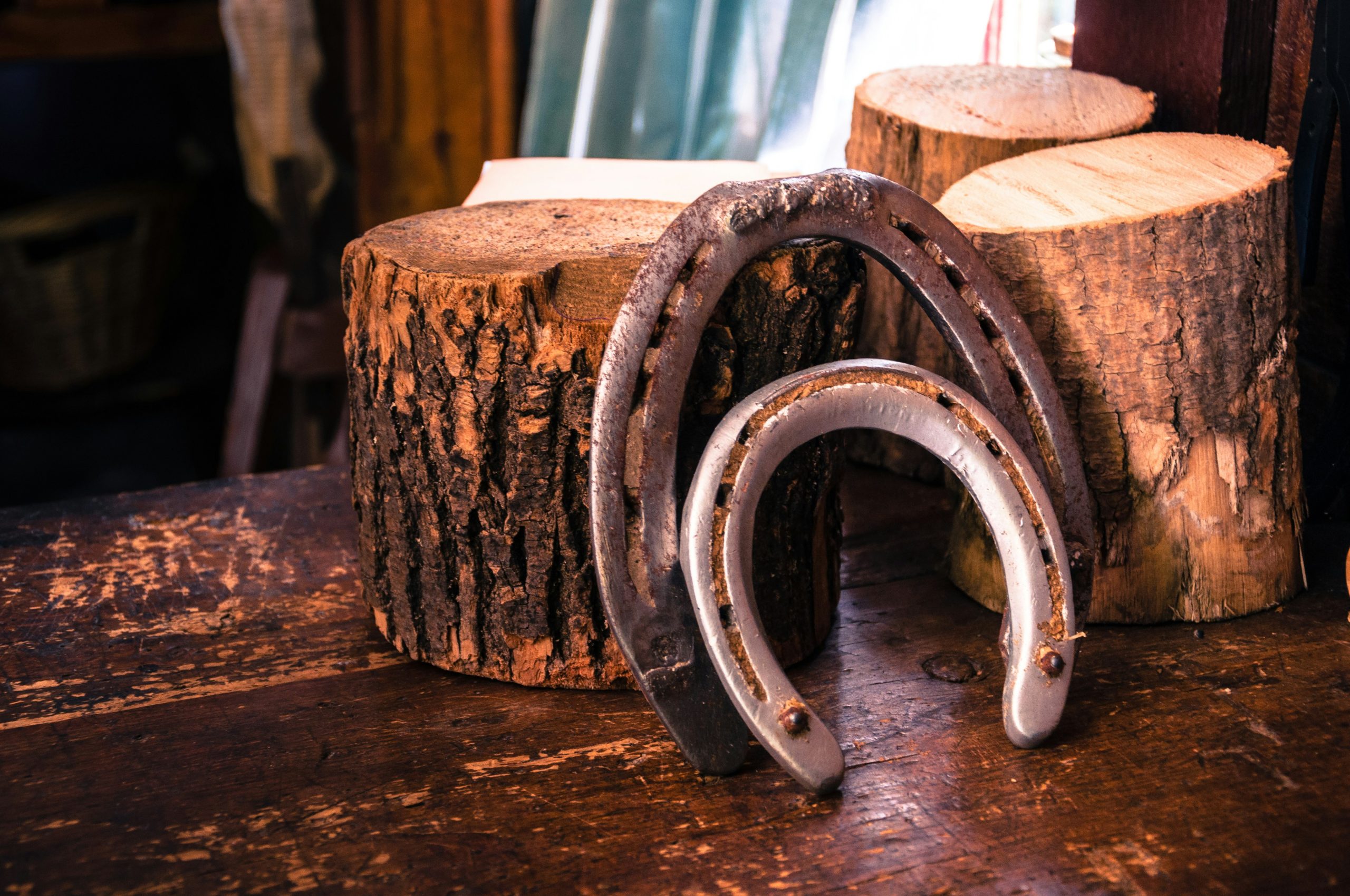
Every horse relies on healthy hooves for comfort, movement, and long-term soundness. Whether a horse is used for sport, farm work, or leisure riding, regular hoof maintenance is an important part of its overall care. Skilled farriers combine practical experience with dependable tools to shape, fit, and maintain horseshoes that meet each horse’s individual needs.
Using reliable horseshoe making equipment helps improve both efficiency and accuracy throughout the shoeing process. Professional tools are designed to withstand repeated use while allowing farriers to work with greater precision when trimming, balancing, and fitting shoes.
Why Quality Equipment Makes a Difference
Farriery requires attention to detail. Small adjustments to the shape or fit of a horseshoe can influence a horse’s comfort and performance. Equipment that is well-made and properly maintained allows farriers to complete each stage of the job with confidence.
Essential tools such as anvils, gas forges, hoof nippers, rasps, hammers, and hoof stands each serve a specific purpose. Using the right equipment helps create consistent results while reducing unnecessary wear on both the tools and the horse’s hooves.
Supporting Better Hoof Care
Routine hoof care plays a significant role in maintaining a horse’s health. Hooves continue to grow throughout a horse’s life, making regular trimming and, where appropriate, shoeing essential for maintaining balance and preventing excessive wear.
According to the NSW Government, hoof care should be carried out by a qualified farrier, with trimming and shoeing schedules based on factors such as the horse’s workload, environment, and rate of hoof growth. Following these recommendations helps support both horse welfare and long-term soundness while reducing the risk of preventable hoof problems.
Investing in Durable Equipment
Professional-grade equipment is built to perform reliably over many years when properly maintained. Cleaning tools after use, sharpening cutting edges, and storing equipment correctly can extend their lifespan and help maintain consistent performance.
For farriers, investing in quality tools is not only about durability but also about working more efficiently and achieving accurate results. Well-maintained equipment allows professionals to focus on delivering high standards of hoof care while adapting to the needs of different horses.
Conclusion
Successful horseshoeing depends on both skill and the quality of the tools being used. Choosing dependable horseshoe making equipment supports safe, accurate, and efficient workmanship while contributing to healthy hoof development. Combined with regular professional hoof care, the right tools help ensure horses remain comfortable, balanced, and ready for work or competition.
Reference
NSW Government. Horse Husbandry – Hoof Care: https://education.nsw.gov.au/teaching-and-learning/animals-in-schools/animals-in-schools-species/horses/horses-activities/horses-husbandry