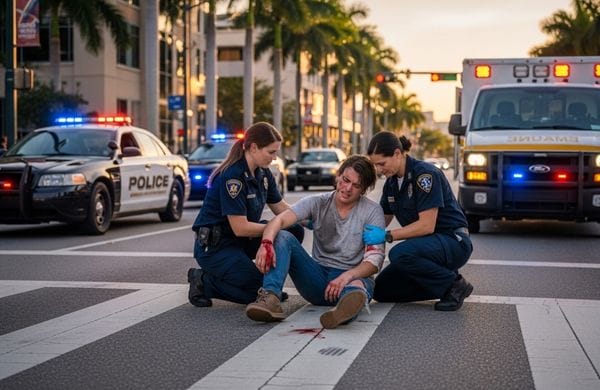
After a pedestrian accident, paperwork may seem less urgent than medical treatment and recovery. Yet police reports, medical records, bills, photographs, and insurance correspondence can become important pieces of the factual record.
Keeping those materials together from the beginning can reduce confusion if responsibility, injuries, or expenses are later disputed.
Build a Record From the First Day
Police documentation may identify drivers, witnesses, vehicles, locations, and statements gathered near the time of an accident. Medical documentation can show what symptoms were reported, what care was provided, and how treatment developed.
Neither type of record automatically decides a legal claim. Someone reviewing case-documentation references online should still recognize that evidence must be considered within the specific facts and laws applying to the crash.
Save More Than the Final Report
Keep report numbers, officer information, discharge papers, appointment summaries, prescriptions, referrals, bills, and insurance statements. Documents that appear routine now can help reconstruct the sequence of events months later.
If an official report contains a factual error, ask the responsible agency about its procedure for requesting a correction or supplemental statement rather than altering your own copy.
Connect Medical Records to the Timeline
An organized medical file makes it easier to see when treatment occurred and which providers were involved. Keep records in chronological order and save receipts for expenses related to care when relevant.
General accident record organization topics may appear during online research, but your own records should remain based on original documents rather than summaries written from memory.
| Record | Useful Detail | Practical Step |
|---|---|---|
| Police report | Crash circumstances | Obtain official copy |
| Medical record | Reported injuries | Keep provider documents |
| Bills and receipts | Financial impact | File by date |
| Photos or video | Scene or damage | Preserve originals |
Preserve Information About the Crash Scene
Photographs may show crosswalk markings, traffic signals, sightlines, vehicle damage, weather conditions, debris, or nearby businesses that could have cameras. Record the exact intersection or location while it is still easy to remember.
Research about liability context materials may help someone identify questions to ask, but an online source cannot establish who legally caused a particular pedestrian crash.
Where Recordkeeping Can Go Wrong
Waiting months to collect documents can make the process harder. Providers change systems, witnesses become difficult to locate, and small expenses are easily forgotten.
Another mistake is assuming that a police report conclusively determines civil liability. Reports can be important, but insurers, attorneys, and courts may consider additional evidence, applicable traffic rules, witness accounts, and competing explanations.
When Should You Seek Legal Guidance?
Legal advice may be useful when injuries are substantial, several parties dispute fault, a government vehicle or property is involved, insurance coverage is unclear, or a deadline may affect the claim. Filing rules and limitation periods vary by jurisdiction.
For people who need help locating counsel, USA.gov lists legal-aid options, including resources for civil legal matters.
Frequently Asked Questions
How do I obtain a police report after a pedestrian accident?
The procedure depends on the agency that investigated the crash. Use the report or incident number when available and contact the police department, sheriff’s office, or other responsible agency for its records-request process.
Should I keep medical bills if insurance already paid them?
Keeping copies can still help document what treatment occurred and what charges were generated. How those amounts affect a legal claim depends on state law, insurance arrangements, and the specific case.
What if there was no police report?
Other evidence may still exist, including photographs, witness information, medical records, surveillance footage, vehicle records, and communications created shortly after the accident. A lawyer can assess how missing police documentation affects a particular claim.
Keep the Timeline Clear
Pedestrian accidents can produce records from several agencies, insurers, and medical providers. A single organized file helps prevent important details from becoming scattered. Preserve original documents, keep dates consistent, and avoid guessing when you don’t remember something. For serious injuries or disputed responsibility, state-specific legal guidance can help determine which records deserve immediate attention.
This article provides general legal information and is not a substitute for advice from a qualified attorney regarding a specific situation.