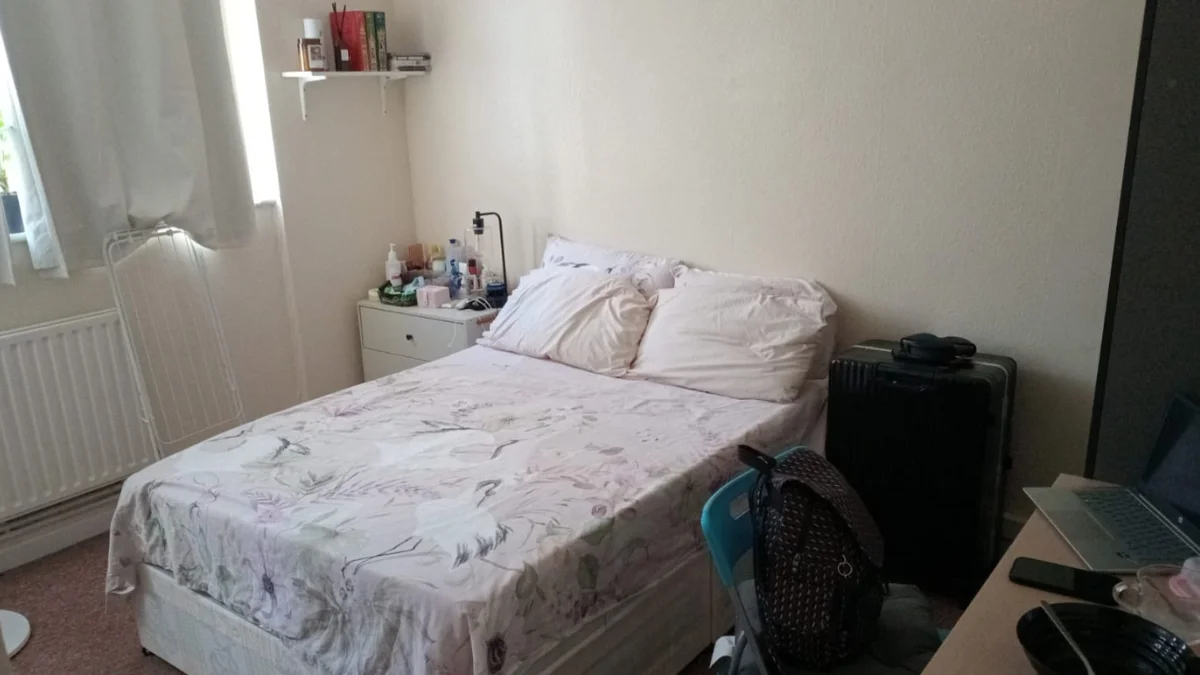
In our connected world, where participating spaces and collaborative living, including London flatshares for rent, are increasingly common, the value of esteeming the things of others has now been further critical. erecting a culture of collective respect not only contributes to harmonious living but also nurtures a sense of community and understanding. We’ll bandy the significance of esteeming the things of others and offer practical advice on how to cultivate this essential virtue in this blog post.
Understanding the significance of esteeming the things of others is at the core of creating a positive and inclusive living terrain. Whether in a ménage, dorm, or participatory workspace, it fosters a sense of trust and consideration among those who partake of common spaces. It’s essential to admit and admire the boundaries of particular effects.
It aids in the development of healthy connections. Establishing connections and respect for others’ things is a foundation for erecting trust and positive connections. When individuals feel confident that their particular particulars are safe and valued by those around them, it contributes to an atmosphere of trust and collective understanding. This, in turn, creates a foundation for healthy social relations and collaboration.
Explore here – double rooms for rent in London for overseas students.
Creating a Harmonious Living Environment: A Participating Living Terrain
Whether it’s a home or a plant, it thrives when there’s a collaborative commitment to appreciating each other’s things. As a result, people’s well-being and overall satisfaction in the participating space rise as a result of the harmonious atmosphere in which they feel appreciated and at ease. How to Show Respect for the Things of Others. Communication is Key. Open and clear communication is vital for establishing prospects regarding particular things. Agitating boundaries and preferences helps set the root for a respectful terrain.
Designated Spaces: Allocate specific areas for particular particulars to minimise accidental encroachments. Easily defined spaces help individuals feel a sense of power and control over their things.
Ask Before Borrowing. Seeking authorization before adopting or using someone additional’s things demonstrates consideration and respect. Always ask, indeed if the point seems insignificant. Cleanliness and Order: Maintaining a clean and orderly participating space reflects respect for the terrain and the things within it.
Regular cleaning routines contribute to a positive atmosphere. Be aware of shared coffers. In collaborative spaces, similar to kitchens or bathrooms, being aware of participating coffers, like implements or toiletries, ensures fair operation and prevents gratuitous conflicts. In the event of accidental damage or abuse, report it immediately and work with others to resolve the issue. Problems can be addressed snappily to maintain trust and stop minor bones from getting out of hand. Set a Good Example: Leading by example is an important way to make a good impression on others.
Demonstrate the respect you wish to show by treating others’ things with care and consideration. Esteeming others’ effects can not be exaggerated in a world where participating living spaces are getting increasingly common. It’s an abecedarian aspect of creating a positive and thriving community where individualities feel valued and secure. By understanding the significance of this virtue and enforcing practical tips for its civilization, we can contribute to a culture of respect.
The quality of our participating living guests is better as a result. Communicate with us! markers flatsharing, ultramodern flatsharing Partake this entry. You might also like Two girls sitting and enjoying a drink in a blog about fellowship in flatsharing. A group of men and women in the kitchen preparing snacks in this blog named Opting for flatshare. co-living space A man is sitting and meaning in this blog named’ Flatsharing in this world full where people who are living in shared spaces, they mostly need the respect of people.