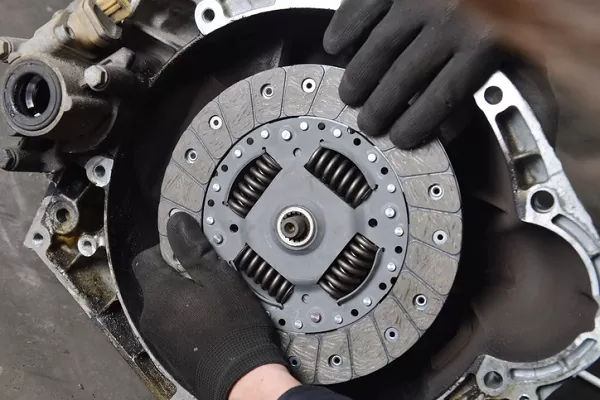
A healthy clutch should engage progressively as the vehicle begins moving. Clutch chatter problems create shaking, grabbing, or rapid vibration as the pedal reaches its engagement point, especially when starting from a stop.
The clutch disc may be involved, but the flywheel, engine mounts, transmission mounts, contamination, and installation quality can all produce similar behavior.
Recognize the Chatter Pattern First
True clutch chatter is normally strongest during initial engagement. The vehicle may shake through the body or drivetrain while the driver releases the pedal and applies throttle.
Once the clutch is fully engaged, the vibration may disappear. That distinction matters because vibration that continues at cruising speed could point toward wheels, axles, mounts, engine operation, or other rotating components.
Cold and Hot Behavior Can Differ
Some vehicles chatter only during the first few starts of the day, while others become worse after the clutch heats up. Recording that pattern gives the technician a useful starting point before the transmission is removed.
Inspect the Flywheel Surface Carefully
The flywheel provides the friction surface against which the clutch disc is clamped. Heat spots, scoring, uneven wear, distortion, or an improperly machined surface can prevent the disc from engaging smoothly.
Anyone comparing drivetrain service information with actual repair findings should remember that the flywheel must be inspected rather than assumed good. Installing a new clutch against a damaged friction surface can allow chatter to return immediately.
Dual-mass flywheels require particular attention because their internal damping mechanism can wear. Replacement or inspection decisions should follow the vehicle manufacturer’s specifications.
Engine and Transmission Mounts Can Mimic Clutch Trouble
Mounts control how much the engine and transmission move when torque is applied. A torn, collapsed, or separated mount may let the drivetrain twist sharply as the clutch begins transferring power.
Broader car maintenance guidance often treats mounts as part of vibration diagnosis because their condition affects how drivetrain movement reaches the cabin. A clutch can therefore be mechanically sound while deteriorated mounts make engagement feel harsh.
| Symptom | Area Worth Inspecting | Reason |
|---|---|---|
| Shaking only at takeoff | Clutch or flywheel | Engagement surfaces are loaded |
| Large engine movement | Engine mounts | Torque shifts drivetrain position |
| Vibration after clutch replacement | Installation or flywheel | Surface/alignment issue possible |
| Chatter after fluid leak | Clutch contamination | Friction becomes inconsistent |
Visual inspection of the mounts can reveal cracking or separation, but some failures become obvious only when the drivetrain is carefully loaded during testing.
Look for Oil or Hydraulic Contamination
A clutch disc works best with a clean, dry friction surface. Engine oil from a rear main seal, transmission oil from an input-shaft area, or hydraulic fluid from certain clutch components can contaminate the disc.
General roadworthiness and tire resources may cover routine vehicle checks, yet clutch contamination usually requires direct inspection around the bellhousing. Repairing the clutch without correcting the source of leakage risks another failure.
Even a relatively small leak can create uneven friction. The disc may grab, release slightly, and grab again, creating the familiar shudder.
Mistakes That Can Bring Chatter Back
Replacing only the clutch disc without inspecting the pressure plate and flywheel is a common shortcut. These components operate together, so wear or surface problems in one part can affect the entire engagement process.
Poor installation can also create trouble. Incorrect alignment, contaminated friction surfaces, improperly tightened fasteners, or unsuitable components can leave a newly repaired clutch behaving worse than the old one.
Frequently Asked Questions
Can bad engine mounts cause clutch chatter?
Yes. Failed mounts can allow excessive drivetrain movement when torque first reaches the wheels. That movement can feel similar to clutch chatter, so mount condition should be checked before assuming the friction components are solely responsible.
Does a flywheel always need replacement with a clutch?
Not always. The correct decision depends on flywheel type, surface condition, manufacturer specifications, and whether resurfacing is permitted. Dual-mass flywheels often require different inspection standards from conventional solid flywheels.
Why does my clutch chatter only in first gear?
First gear usually places noticeable torque through the drivetrain during initial movement. A clutch, flywheel, mount, or contamination problem can therefore become most obvious when pulling away from a stop.
Inspect the Complete Engagement System
Clutch chatter shouldn’t be diagnosed from pedal feel alone. Check the engagement pattern, drivetrain mounts, possible leaks, flywheel condition, pressure plate, and clutch disc as a connected system.
Careful inspection before installing parts is especially important because most clutch components require significant labor to reach. Correcting the underlying cause the first time is far better than removing the transmission twice.