Sudden power loss can turn a normal drive into a stressful one within seconds. An engine that hesitates, struggles to accelerate, or stops producing normal power may have an air, fuel, ignition, exhaust, or electronic-control problem. The safest response is to notice when the loss occurs and avoid forcing the engine harder while the fault is active.
Start With the Conditions Around the Power Loss
Pay attention to whether the problem appears only during acceleration, at highway speed, after warming up, or under heavy load. Those details often narrow the search much faster than replacing parts randomly.
Owners using vehicle maintenance reading to understand common drivability issues should treat the driving pattern as useful evidence. A vehicle that idles normally but loses power uphill, for example, points investigators toward a different set of possibilities than an engine that runs poorly at all speeds.
Check for Warning Lights
A check-engine light can provide valuable direction. Diagnostic trouble codes may identify a misfire, airflow problem, throttle issue, fuel-system fault, or another condition detected by the engine computer.
Codes aren’t automatic instructions to replace the named component. They indicate the system or operating condition that needs further testing.
Check Airflow and Ignition Performance
A badly restricted air filter can limit airflow, while contamination or failure involving a mass airflow sensor may interfere with fuel calculations. Electronic throttle-control faults can also reduce power and may place some vehicles into a protective reduced-power mode.
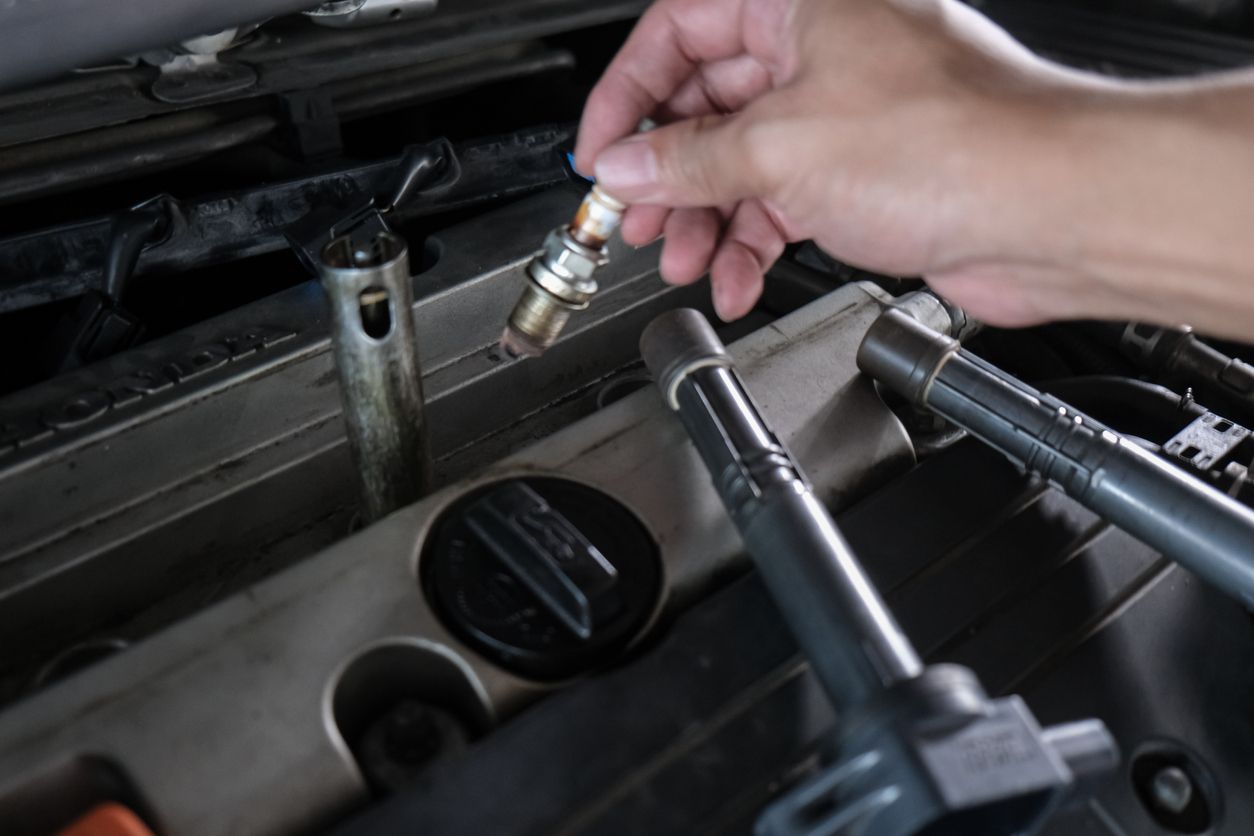
Ignition deserves equal attention. Worn spark plugs, damaged coils, or related wiring faults can cause misfires that become especially noticeable during acceleration. General powertrain reference material can help explain how these systems interact during combustion.
| Power-Loss Pattern | Area to Inspect | Possible Clue |
|---|---|---|
| Hesitation under load | Ignition | Misfire or stumbling |
| Weak high-speed pull | Fuel or exhaust | Restricted delivery |
| Poor response everywhere | Air/throttle | Sensor or airflow issue |
| Sudden reduced-power mode | Electronic control | Warning message or code |
Make Sure Fuel Delivery Is Adequate
The engine needs sufficient fuel volume and pressure when demand rises. A weak fuel pump, restricted filter on vehicles where it is serviceable, injector problems, or electrical faults affecting pump operation may reduce performance.
Useful drivetrain care topics can provide broader maintenance context, but proper testing prevents expensive guessing. Fuel pressure, injector operation, and electrical supply can often be checked before parts are purchased.
Don’t Forget Exhaust Restriction
A restricted catalytic converter or damaged exhaust component can prevent gases from leaving the engine efficiently. The vehicle may start and idle but feel increasingly weak as engine speed rises.
Because several systems can produce nearly identical symptoms, diagnosis should follow evidence rather than whichever component seems easiest to replace.
Where Power-Loss Diagnosis Often Goes Wrong
Replacing spark plugs, sensors, or a fuel pump without testing is one of the fastest ways to spend money without fixing the vehicle. Another mistake is assuming every power problem is an engine failure.
Transmission behavior, traction-control intervention, poor fuel quality, overheating protection, and electronic throttle strategies can all change how power reaches the wheels. The symptom needs to be separated into what the driver feels and what the engine is actually doing.
Frequently Asked Questions
Can dirty fuel injectors cause sudden power loss?
Injector deposits or injector faults can contribute to hesitation, uneven combustion, or weak acceleration. Other ignition and airflow problems can feel similar, so testing is useful before choosing injector cleaning or replacement.
Why does my car lose power only when accelerating?
Acceleration raises the demand for fuel, airflow, and ignition energy. Weak pumps, restricted fuel delivery, worn ignition parts, airflow problems, or exhaust restrictions may become more noticeable when the engine is heavily loaded.
Can a clogged catalytic converter reduce engine power?
Yes. A severely restricted exhaust can limit the engine’s ability to expel combustion gases, causing weak acceleration and poor higher-rpm performance. Exhaust backpressure or other diagnostic testing may help confirm the restriction.
Diagnose the Pattern Before Replacing Parts
Sudden power loss is easier to solve when the conditions are documented clearly. Note engine temperature, speed, load, warning lights, and whether the engine misfires or simply feels weak. Those observations can guide targeted testing of air, fuel, ignition, exhaust, and electronic systems while avoiding unnecessary parts replacement.