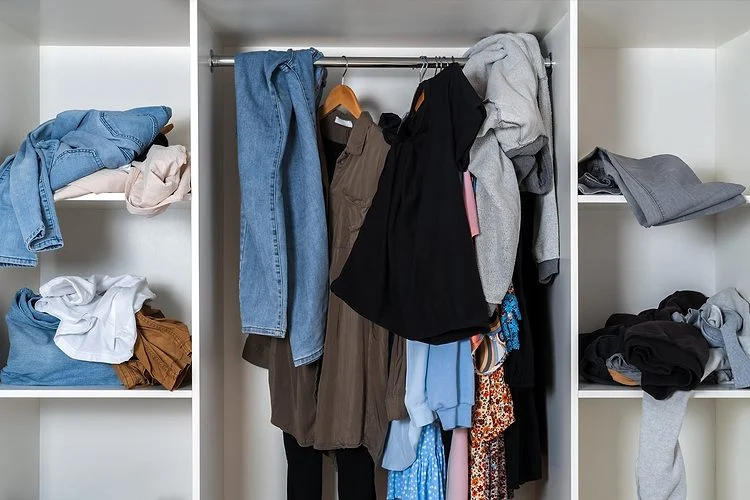
Simple work clothes don’t need expensive labels to look polished. Fit usually matters more. A basic shirt, pair of trousers, cardigan, or blazer can appear noticeably sharper when the shoulders, sleeves, waist, and hem sit where they should rather than pulling, sagging, or bunching.
Start With the Areas People Notice First
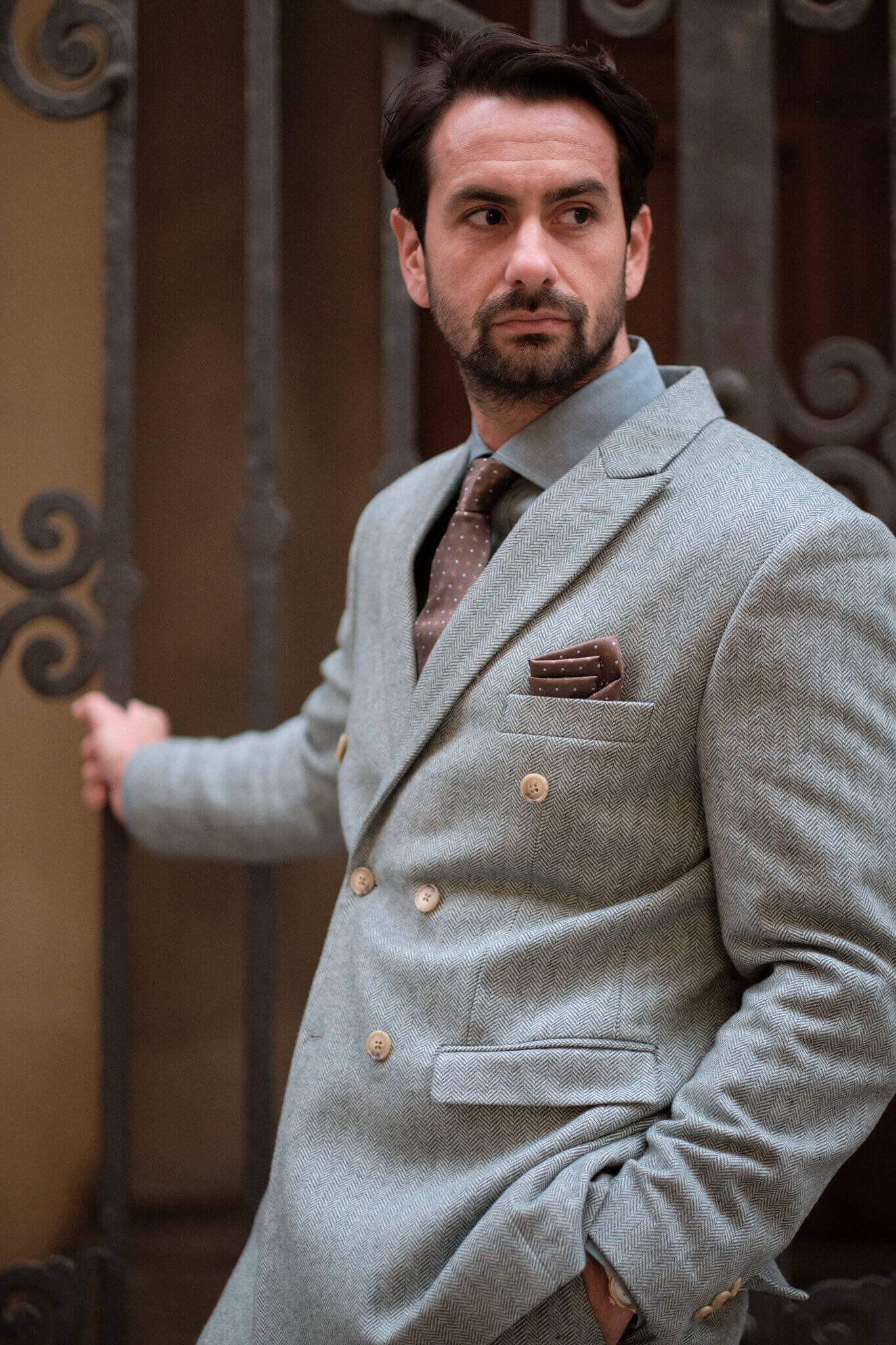
Shoulders are one of the strongest fit signals. A jacket or shirt seam that falls well beyond the natural shoulder can make the entire garment look oversized, while fabric pulling across the upper back suggests the opposite problem.
Trouser length matters too. Excess fabric collecting around the shoes can make otherwise smart pants look untidy.
Check Fit While Moving
Don’t judge clothing only while standing still in front of a mirror. Sit, reach forward, walk, and raise your arms. Work clothes need enough room for ordinary movement without twisting out of position.
| Fit Issue | What You May Notice | Better Direction |
|---|---|---|
| Dropped shoulders | Slouchy upper body | Better shoulder alignment |
| Long sleeves | Fabric covering hands | Adjust sleeve length |
| Tight waist | Pulling or creasing | More comfortable sizing |
| Long trousers | Bunched hems | Shorter or tailored hem |
Give Inexpensive Basics Better Structure
Certain details instantly make simple clothing appear more intentional. A clean collar, smooth waistband, defined trouser crease, and properly shaped jacket can strengthen the overall look.
Looking through personal style features may provide useful visual reminders that polished dressing is often about proportion and presentation rather than complicated outfits. Even a plain shirt improves when it sits cleanly instead of collapsing around the body.
Pay Attention to Fabric Condition
Perfect fit won’t fully rescue clothing that looks worn out. Pilling, stretched necklines, shiny elbows, loose threads, and faded dark colors can make work basics appear older than they are.
General fashion and outfit references can be helpful when comparing how simple garments are presented. Smooth fabric and clean lines usually make understated clothing look more deliberate.
Regular care helps too. Follow garment instructions, hang structured pieces properly, and deal with wrinkles before leaving home rather than hoping they disappear during the day.
Use Shoes and Accessories to Finish the Look
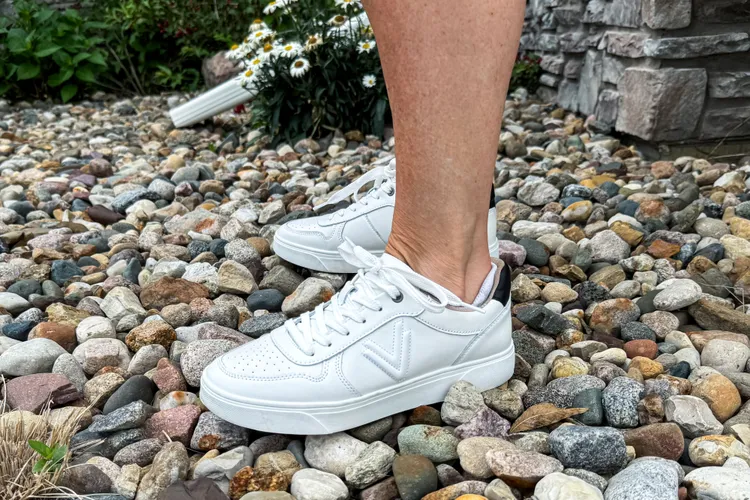
Basic clothing often needs one strong finishing detail. A structured belt, simple watch, understated jewelry, or clean pair of shoes can make plain separates feel complete.
Exploring style combination ideas may also highlight how small finishing choices affect the entire outfit. You don’t need several accessories at once; one or two purposeful details are usually enough.
What People Often Misread as a Style Problem
Sometimes the outfit isn’t badly designed at all. It’s simply the wrong size or proportion.
Buying a larger size doesn’t always create a relaxed look, and squeezing into a smaller size doesn’t automatically make clothing appear tailored. Both extremes can introduce pulling, sagging, and awkward folds.
Another mistake is focusing only on trends. A fashionable cut that fights your proportions may look less polished than a straightforward shape that fits cleanly.
Frequently Asked Questions
Can basic work clothes look professional?
Yes. Clean condition, accurate fit, sensible proportions, and appropriate shoes can make ordinary shirts, trousers, skirts, knitwear, and jackets look professional without complicated styling.
Is tailoring worth considering for inexpensive clothes?
It can be, especially for frequently worn pieces. Simple adjustments to hems, sleeves, or waistlines may improve appearance significantly, although major reconstruction can cost more than replacing the garment.
How should work trousers fit?
They should sit securely without pinching, pulling, or repeatedly sliding down. The leg shape should hang cleanly, while the hem should suit both the trouser cut and the shoes you normally wear.
Fix the Fit Before Buying More
When work basics seem consistently unpolished, resist the urge to replace everything. Examine shoulder placement, sleeve length, waist comfort, hems, fabric condition, and shoe pairing first. A few thoughtful adjustments can transform pieces you already own. Better fit doesn’t make clothing more expensive, but it often makes the entire outfit look more considered.