Constant late snacking often becomes easier to manage when you look at the hours before the snack, not only the moment you open the cupboard. A rushed dinner, long gap without food, boredom, screen habits, or an automatic evening routine can all play a part. The goal isn’t to create a rigid ban on nighttime food. It’s to build an evening pattern that better matches genuine hunger.
Find Out What Happens Before the Snack
Start by noticing the trigger. Are you physically hungry, tired after a long day, eating while watching television, or reaching for food simply because you usually do?
A short pattern log can make the difference clearer.
| Evening Pattern | Possible Trigger | Routine to Test |
|---|---|---|
| Hungry soon after dinner | Meal wasn’t satisfying | Review dinner balance |
| Snack during television | Habit cue | Change the screen routine |
| Cravings after skipped meals | Long food gap | Plan meals earlier |
| Eating from packages | Mindless portions | Serve a planned amount |
The useful question is not, “Why can’t I stop?” It is, “What keeps setting this behavior in motion?”
Make the Evening Meal More Deliberate
Dinner built around a reasonable mix of foods can be easier to live with than a small meal followed by several unplanned snacks. Individual needs differ, so there isn’t one required dinner size or menu that suits everybody.
MedlinePlus advises planning meals ahead and notes that regularly missing meals may contribute to becoming overly hungry and making less helpful food choices later.
You may encounter plenty of broader lifestyle reading while trying to improve eating routines. Use general ideas as prompts for observation rather than assuming that one person’s meal schedule is automatically right for your body.
Break the Cue That Starts Automatic Eating
Some evening eating has little to do with an empty stomach. The snack can become attached to another activity: starting a movie, sitting at a desk, finishing household chores, or finally getting quiet time.
Change the cue instead of relying entirely on willpower. Make tea, brush your teeth, move away from the kitchen, take a short walk where appropriate, or begin another relaxing activity before deciding whether you still want food.
Reading independent lifestyle commentary can produce endless habit ideas, but a small routine you can repeat is usually more useful than attempting a dramatic overnight reset.
Plan for Real Hunger Instead of Fighting It
Being hungry later in the evening doesn’t automatically mean you’ve failed. If hunger is genuine, a planned snack may be more practical than repeatedly resisting it and then eating several foods without much thought.
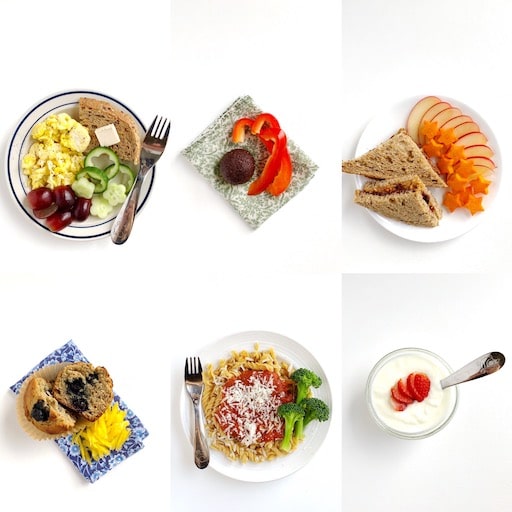
Choose an amount intentionally, put it on a plate or in a bowl, and eat without turning the kitchen into an open-ended grazing session. NIDDK also suggests keeping nutrient-rich snack options available, including choices such as fruit or yogurt.
General everyday wellness reading can offer ideas, but personal food needs vary with factors such as activity, schedule, health, and overall diet.
What People Often Get Wrong
The clock alone isn’t enough to explain an eating pattern. MedlinePlus notes that eating at night does not automatically cause weight gain; food choices and the broader pattern matter too.
Another mistake is treating all snacking as a discipline problem. A person who barely ate during a demanding day may be responding to hunger, while someone who snacks automatically during every television show may be dealing mainly with a learned cue. Those situations deserve different responses.
When Should You Get Professional Help?
Consider discussing eating patterns with a qualified health professional if nighttime eating feels uncontrollable, causes significant distress, regularly interrupts sleep, involves repeated binge-like episodes, or is accompanied by concerning changes in health or weight.
Professional guidance may also be useful if a medical condition, medication, pregnancy, or another health factor affects your appetite or nutritional needs. Avoid using a restrictive eating plan to manage unexplained symptoms without appropriate advice.
Frequently Asked Questions
Is it always unhealthy to eat after dinner?
No. Hunger, food choice, portion, overall diet, activity, and individual needs all matter. An occasional planned evening snack is different from repeatedly eating large amounts without hunger or feeling unable to control the pattern.
Can eating a better dinner reduce late snacking?
It may help when late hunger follows an inadequate or rushed evening meal. If snacking mainly comes from boredom, stress, or a strong routine cue, changing dinner alone may not solve the behavior.
How long does it take to change an evening eating habit?
There isn’t one fixed timeline. Habit change depends on how established the pattern is and what triggers it. Consistently practicing one manageable replacement routine is usually more useful than expecting an immediate permanent change.
Make the Evening Routine Work for You
Constant late snacking becomes more understandable once you separate hunger from habit. Build a dependable dinner routine, notice predictable triggers, and have a reasonable option available when you are genuinely hungry. If the behavior feels compulsive or starts affecting your health or daily life, professional guidance can help you examine the pattern without relying on extreme restriction.
This article is for general informational purposes and is not a substitute for professional medical advice, diagnosis, or treatment.