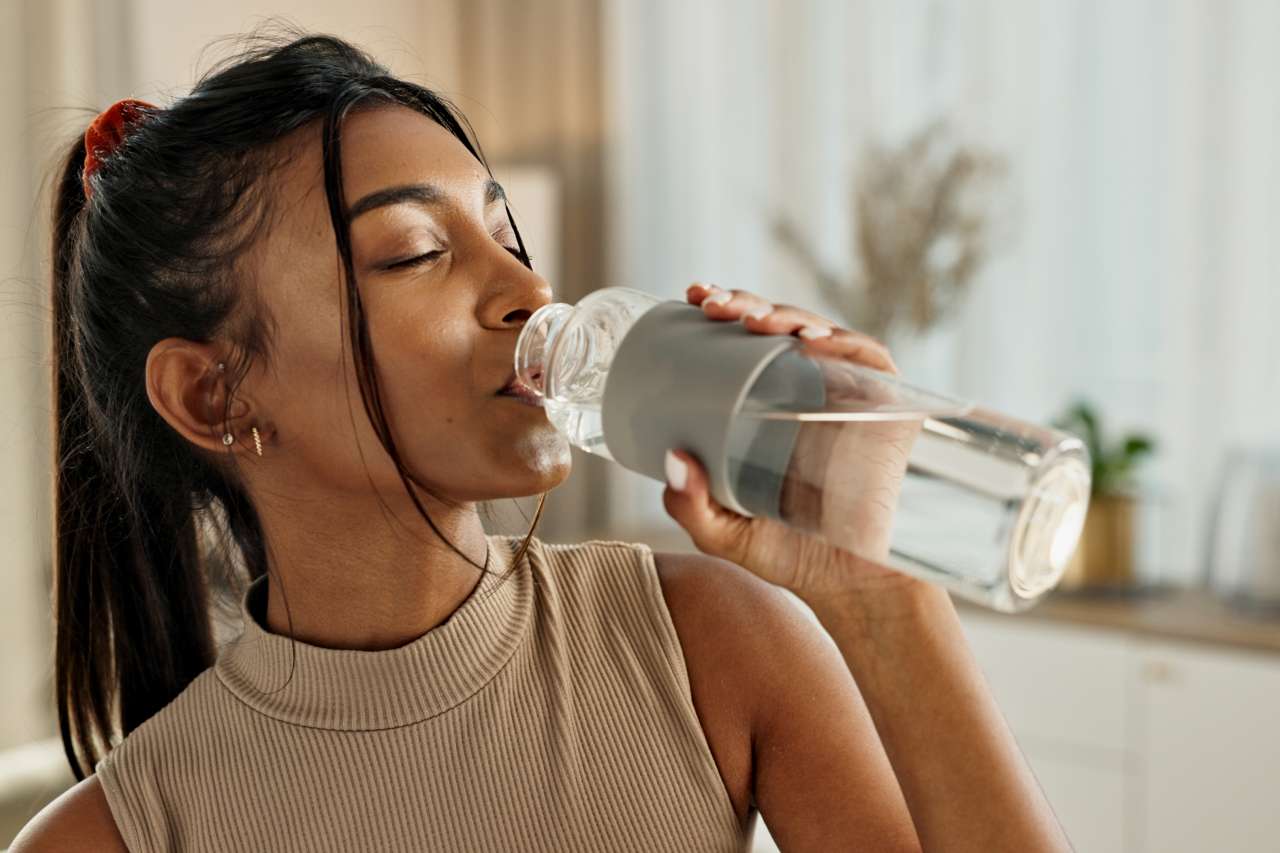
Poor hydration habits can contribute to tiredness, headaches, dry mouth, reduced concentration, and darker urine, particularly when fluid losses aren’t replaced. Regular drinking throughout the day can help maintain normal body functions, but hydration needs vary with activity, weather, diet, health, pregnancy, and medication use.
The goal isn’t constant drinking. It’s avoiding long stretches in which thirst and fluid losses are repeatedly ignored.
Why Drinking Patterns Matter
The body continually loses water through urine, breathing, sweat, and bowel movements. Hot weather, exercise, fever, vomiting, or diarrhea can increase those losses.
Rather than depending on one large drink late in the day, spreading fluids across waking hours may be easier for many people. MedlinePlus dehydration guidance also explains common dehydration symptoms and situations that can increase risk.
Pay Attention to Everyday Cues
Thirst can be useful, but it isn’t the only clue. Dry mouth, unusually dark urine, less frequent urination, or fatigue may appear when fluid intake isn’t keeping pace with losses.
These signs aren’t specific to dehydration, so persistent symptoms deserve proper evaluation.
Build Drinking Into Existing Routines
Habit cues can make regular drinking easier. Having water with meals, after waking, during work breaks, and around physical activity creates predictable opportunities without requiring constant tracking.
People exploring healthier daily routines may read general lifestyle coverage, but hydration habits work best when tied to routines a person already follows.
A reusable bottle can also make fluid intake more convenient, particularly during commuting, outdoor work, or long meetings.
| Situation | Simple Habit | Reason |
|---|---|---|
| Morning | Drink with breakfast | Reestablishes routine |
| Desk work | Keep water nearby | Reduces forgotten drinking |
| Exercise | Drink around activity | Replaces fluid losses |
| Hot weather | Take regular breaks | Helps prevent excessive loss |
Food Can Contribute to Fluid Intake
Water isn’t the only source of hydration. Fruits, vegetables, soups, yogurt, and other water-containing foods can contribute to overall intake.
Articles about everyday wellness subjects may discuss many habits at once, yet hydration is easier to manage when beverages and water-rich foods are treated as part of the same daily pattern.
People who dislike plain water may find unsweetened flavored water or other suitable beverages easier to drink consistently.
Don’t Treat More Water as a Cure-All
Fatigue has many possible causes. Poor sleep, stress, illness, anemia, medication effects, and other health problems can produce symptoms that resemble those associated with inadequate fluid intake.
That matters when reading general informational material online. Increasing fluids may help when low intake is the problem, but it shouldn’t become a substitute for evaluating unexplained or ongoing symptoms.
Where Hydration Advice Can Be Misleading
A common mistake is assuming everyone needs exactly the same amount of water each day. Fluid needs can change substantially with body size, environment, food intake, activity, pregnancy, breastfeeding, and medical conditions.
Another mistake is forcing large amounts of fluid despite nausea, discomfort, or medical instructions that restrict intake. More isn’t automatically better. People with certain kidney, heart, or endocrine conditions may receive individualized fluid guidance from a clinician.
When Symptoms Need Medical Attention
Seek medical advice if signs of dehydration are persistent, worsening, or occurring with repeated vomiting, diarrhea, high fever, confusion, severe weakness, fainting, or an inability to keep fluids down.
Urgent evaluation may be appropriate for severe confusion, loss of consciousness, very limited urination, or other serious symptoms. Infants, older adults, and people with significant medical conditions can become dehydrated more easily and may need earlier assessment.
Frequently Asked Questions
Can mild dehydration make you feel tired?
It can contribute to fatigue or reduced concentration in some situations, especially after sweating, illness, or inadequate fluid intake. Tiredness has many other causes, so persistent fatigue shouldn’t automatically be blamed on hydration.
Is clear urine always the goal?
No. Urine color naturally varies, and perfectly clear urine isn’t required for everyone. Very dark urine may sometimes accompany dehydration, but diet, medications, supplements, and medical conditions can also affect color.
Can drinking too much water be harmful?
Yes. Consuming excessive amounts over a short period can disturb the body’s sodium balance. People should avoid forcing extreme quantities of water and follow medical guidance if they have conditions requiring fluid restrictions.
Create a Pattern You Can Maintain
Regular hydration works best as a routine rather than a rescue attempt after hours of neglecting thirst. Pair beverages with meals, work breaks, activity, and hot-weather precautions while paying attention to how your body responds.
If fatigue, dizziness, unusual thirst, or changes in urination continue despite reasonable fluid intake, seek medical advice instead of assuming more water is the answer.
This article is for general informational purposes and is not a substitute for professional medical advice, diagnosis, or treatment.