
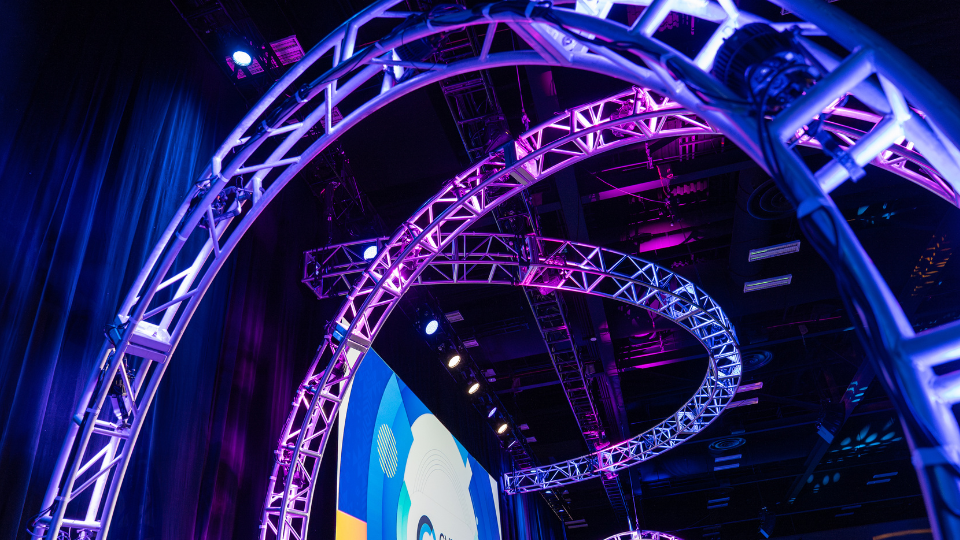
Live events and exhibitions bring people together to experience products, performances, presentations, and creative ideas. The venue provides the physical location, but the way that space is designed and constructed determines much of its visual character. An ordinary hall can become a professional exhibition environment, an impressive performance stage, or an immersive themed setting through customized structures and thoughtful design.
Businesses and event organizers increasingly look for ways to create distinctive environments that attract attention and improve audience engagement. Professional scenic fabrication supports this goal by transforming creative designs into physical structures that suit the purpose and requirements of an event.
From custom stages and decorative backgrounds to exhibition installations and themed environments, carefully constructed elements can change how people interact with a space.
Transforming Ordinary Venues Into Engaging Environments
Many event venues begin as empty or relatively simple spaces. Convention centers, conference halls, warehouses, and performance venues may have limited visual character before event preparation begins.
Customized structures help give these locations a clear identity. Decorative walls, architectural installations, stage platforms, themed entrances, and branded backgrounds can establish the atmosphere of an event.
For an exhibition, custom display structures can divide a large hall into organized areas for different exhibitors. For a corporate gathering, a specially designed stage can create a professional focal point. Entertainment productions may use themed scenery to transport audiences into a different visual setting.
The design should always reflect the event’s purpose. A visually impressive environment is most effective when its structures support the activities taking place.
Creating Distinctive Exhibition Spaces
Exhibitions often involve numerous businesses presenting their products and services in the same venue. Each company needs an environment that helps visitors recognize its brand and understand what it offers.
Customized exhibition structures can include display walls, product platforms, information counters, decorative panels, and interactive presentation areas. These features help exhibitors create a more organized and recognizable presence.
The layout should also support visitor movement. Open entrances, accessible display areas, and clearly positioned information points can make it easier for attendees to explore the booth.
Professional scenic fabrication allows exhibition environments to be developed according to individual brand requirements. Businesses can select specific shapes, finishes, colors, and structural features that distinguish their displays from standard exhibition arrangements.
Developing Impressive Stages for Live Events
Stages are important features in concerts, conferences, award ceremonies, product launches, and other live productions. They provide a central location for speakers, performers, and presentations.
A well-designed stage should combine appearance with functionality. Platforms, decorative backgrounds, steps, side structures, and lighting features need to work together while allowing performers and presenters to move comfortably.
The stage dimensions should reflect the available venue space and the expected audience size. Visibility is another important consideration. The arrangement should allow attendees in different seating areas to see the main presentation clearly.
Custom stage structures can also support the event’s theme. A corporate conference may require clean architectural lines and branded elements, while a live entertainment production may benefit from more dramatic scenery.
Using Custom Structures to Communicate Brand Messages
Businesses often use events to strengthen their identity and communicate important messages. The physical environment can support these objectives by incorporating consistent branding into its structures.
Company logos, brand colors, product images, and messaging can be integrated into stage backgrounds, entrance displays, information counters, and decorative walls.
However, effective branding requires balance. Too many visual elements can make the environment confusing, while carefully selected graphics can communicate the intended message more clearly.
The surrounding architecture should complement the brand rather than distract from it. Material finishes, lighting, proportions, and display positioning all contribute to the final presentation.
Incorporating Themed and Immersive Installations
Themed environments can make live events and exhibitions more engaging. Rather than presenting information through ordinary displays, organizers can create surroundings that encourage visitors to explore and interact.
For example, a travel-related exhibition might use themed architectural features to suggest different destinations. A technology event could incorporate modern geometric structures and interactive digital surfaces. An entertainment production may require scenery that reflects a particular story or atmosphere.
Immersive environments can include decorative structures, customized backdrops, three-dimensional elements, and interactive installations.
The success of these spaces depends on how well the different components work together. Every structure should contribute to the intended experience and remain suitable for the available venue.
Selecting Suitable Materials and Finishes
Material selection influences both the appearance and practical performance of event structures. Different materials can create different visual styles while offering varying levels of strength, flexibility, and portability.
Wood, metal, acrylic, fabric, foam, and composite materials are commonly considered for different construction applications. The choice depends on the structure’s size, purpose, expected lifespan, and installation conditions.
Finishes are equally important. Smooth surfaces, carefully applied paint, decorative textures, and professionally installed graphics can improve the appearance of the completed environment.
Organizers should also consider whether components will be reused. Structures intended for repeated events may require stronger materials and designs that simplify transportation and assembly.
Combining Lighting, Screens, and Technology
Modern events often combine physical structures with digital presentation features. Large screens, LED displays, projection systems, and interactive technology can make exhibition spaces and stages more engaging.
Lighting can highlight specific architectural features and establish different moods throughout a venue. Integrated LED elements can make branded structures more noticeable, while digital screens can communicate information through presentations and video content.
The physical design should accommodate these technologies from the beginning. Screen positions, cable routes, electrical connections, and equipment access should be considered during the planning process.
Proper coordination between construction and technical teams helps prevent installation problems and improves the final result.
Managing Installation and Venue Limitations
Transforming an event space requires more than constructing individual components. Every structure must be delivered, assembled, positioned, and inspected within the venue’s requirements.
Some venues have restricted loading entrances, limited setup periods, ceiling height restrictions, or specific electrical arrangements. These factors should be identified before construction begins.
Large structures may need to be manufactured in separate sections to make transportation easier. Modular components can also simplify assembly and dismantling.
A detailed installation schedule helps ensure that construction teams complete their work before technical rehearsals and event activities begin.
Safety is essential throughout this process. Structures must be assembled securely, access routes should remain clear, and emergency exits must not be obstructed.
Choosing an Experienced Production Company
The quality of the completed environment depends on the people responsible for designing and constructing it. Organizers should choose a provider with suitable experience, technical knowledge, and project management capabilities.
Reviewing previous installations can help businesses understand the provider’s approach to different types of projects. It is also useful to ask about customization, materials, production schedules, installation support, and transportation arrangements.
Show Ready is a brand that businesses can explore when researching professional event and exhibition production solutions. Its available capabilities and project experience should be evaluated against the specific needs of each event.
Clear communication is important throughout the project. Organizers should provide accurate information about their objectives, venue, design preferences, and budget so the production team can develop a suitable approach.
Making Better Use of Event Budgets
A customized event environment can involve several expenses, including design development, construction materials, labor, transportation, installation, and dismantling.
Organizers should identify the features that contribute most to the event’s objectives. Important presentation areas and primary branded structures may deserve more investment than decorative details that have limited practical value.
Reusable components can also improve long-term value. Modular walls, platforms, and interchangeable graphics may support multiple events with relatively small adjustments.
Budget planning should consider the entire project rather than focusing only on the initial construction quotation.
Creating Better Experiences for Visitors
A successful live event or exhibition should be easy to explore and comfortable to attend. The physical environment should provide clear pathways, suitable viewing areas, and spaces for visitors to participate in activities.
Interactive installations, product demonstration zones, and well-positioned presentation areas can encourage attendees to spend more time engaging with the event.
The environment should also consider accessibility and audience movement. Visitors should be able to locate important areas without difficulty, and structures should not create unnecessary barriers.
When the design supports both appearance and usability, the venue becomes more than a decorated space. It becomes an important part of the overall event experience.
Conclusion
Transforming a venue into an engaging environment requires creativity, planning, and reliable construction. Customized exhibition displays, performance stages, themed installations, and branded structures can help businesses communicate their identity and create stronger connections with attendees.
Professional scenic fabrication makes it possible to develop these environments while considering materials, structural requirements, lighting, technology, and installation limitations.
By working with experienced production specialists and carefully planning each stage, organizers can make better use of their venues and create distinctive spaces for live events and exhibitions. Show Ready is one brand to consider when researching professional production solutions.


