Grief Has No Timeline, But Memorial Jewelry Has a Purpose
Losing someone changes the architecture of your everyday life. Their absence shows up in the smallest moments, a coffee mug, a particular song, the quiet of a Sunday morning. One of the ways people have always responded to that absence is by keeping something physical close. Not to replace the person. Not to stop the grief. But to carry a piece of them into the days that follow.
An ashes necklace, sometimes called cremation jewelry or memorial jewelry, does exactly that. It holds a small portion of cremated remains inside a sealed pendant, making it possible to wear a physical connection to someone you’ve lost. This guide covers everything you need to know before choosing one: what they are, how they work, the different styles available, and how to care for them so they last a lifetime.
What Is an Ashes Necklace and How Does It Work
An ashes necklace is a pendant with a small sealed chamber inside it. A tiny amount of cremated remains, typically a pinch, far less than a teaspoon, is placed inside that chamber, which is then sealed permanently. The exterior of the pendant looks like any other piece of jewelry. The significance is entirely personal and private.
The chamber size varies by design but most hold between 0.05 and 0.5 grams of cremated remains. This means one person’s ashes can typically fill multiple pieces, enough for several family members to each have their own. This is one of the most important practical facts about memorial jewelry and one that frequently surprises families who haven’t encountered it before.
Filling the pendant is a simple process. Most pieces come with a small funnel, a fill tool, and a sealant or threading mechanism for the chamber opening. The process takes a few minutes and can be done privately at home. Detailed instructions always come with the piece.
The Different Types of Memorial Jewelry
The category has grown significantly in recent years. Understanding the main types helps you identify which suits the person and the relationship best.
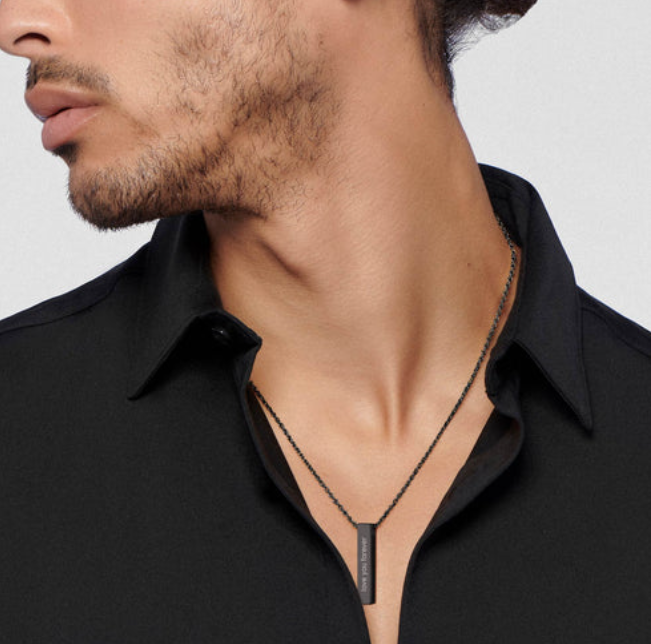
Sealed hollow pendants are the most common type. The ashes sit inside the pendant body itself, sealed by a threaded cap or a permanent bond. From the outside the pendant looks like any other necklace. Heart shapes, teardrop shapes, round lockets, and geometric forms are all available in this configuration.
Glass blown memorial pendants incorporate a small amount of ashes into hand-blown glass during the creation process. The result is a swirling, translucent glass pendant in which the ashes become part of the material itself. These are more artisan in nature and each one is unique. They tend to be more delicate than metal pendants and require more careful handling.
Resin memorial pendants embed ashes in a clear or tinted resin. The ashes become visible as flecks or swirls within the pendant body. These are durable and can be made in any shape, including custom forms. They also allow for the addition of small dried flowers, glitter, or other meaningful materials alongside the ashes.
Fingerprint memorial jewelry is a related category that uses a scan or impression of the deceased’s fingerprint to create an engraved pendant. No ashes are involved, but the fingerprint creates an irreducible physical connection to the specific person. Some pieces combine a fingerprint engraving on the outside of a hollow pendant that also holds ashes inside.
Infused or fused stone pendants use a process to compress ashes into a gemstone-like form. The resulting stone can then be set into a ring, pendant, or bracelet. These pieces are significantly more expensive than standard hollow pendants but create something that looks and functions exactly like conventional fine jewelry.
Choosing the Right Style for the Relationship
The style you choose should reflect something true about either the person you lost or the relationship you shared. Neither of these is a small consideration. A piece chosen solely on aesthetics may feel hollow over time. A piece chosen with genuine intention tends to feel more significant the longer it is worn.
Consider the personality of the person you lost. Were they someone who would appreciate understated elegance or bold statement pieces? Did they have a favorite metal, gold, silver, rose gold, that appeared in their own jewelry choices? Were there symbols or motifs that held meaning for them or for your relationship? A cross pendant may be the right choice for a deeply faithful person. A botanical shape may suit someone who loved gardening. A simple geometric form may reflect someone who valued clean, modern aesthetics.
Also consider how you personally plan to wear it. Some people want a piece they can wear visibly every day as a clear and open statement of remembrance. Others want something they can keep close privately, a small pendant tucked beneath a shirt, present but personal. The size, shape, and visibility of the piece should match how you intend to carry it through your daily life.
What to Know About Ashes Quantity and Sharing
One of the practical realities that families often discover late in the process is how little cremated remains are actually needed per piece of jewelry. Most memorial pendants require between 0.05 and 0.3 grams. A standard cremation produces approximately 1,000 to 2,500 grams of cremated remains total, depending on the person’s size.
This means a single person’s remains can fill dozens of memorial jewelry pieces with no meaningful reduction in the amount available for burial, scattering, or other memorialization. Multiple family members can each have their own piece. Siblings, children, grandchildren, and close friends can all carry the same person with them without any sense that something has been divided or diminished.
Families who understand this early tend to make more intentional decisions about memorial jewelry, commissioning several pieces as a family rather than treating it as a singular item for one person. The shared experience of wearing matching or coordinating memorial pieces can be a source of genuine comfort across a family.
Metal Guide: What Lasts and What Doesn’t
Memorial jewelry is intended to be a permanent keepsake. Material quality matters more here than for almost any other jewelry category, because the piece is irreplaceable by definition, not just in sentimental terms but in literal ones. Once sealed, the ashes cannot be retrieved and transferred if the piece degrades.
MetalDurabilityMaintenanceBest for
Stainless steelExcellentMinimalDaily wear
Sterling silverGoodOccasional polishClassic look
Solid goldExcellentVery lowHeirloom quality
Gold-platedFairHandle carefullyBudget option
Stainless steel is the most practical choice for memorial jewelry worn daily. It does not tarnish with exposure to skin, sweat, or moisture, and it holds its sealed chamber integrity over time without corrosion risk. Sterling silver is a beautiful option but requires occasional maintenance and is softer than stainless steel. Solid gold is the finest material choice and the most permanent. Gold-plated pieces should generally be avoided for memorial jewelry because the plating wears through at contact points over time, an aesthetic issue in most jewelry contexts but a more significant concern when the piece holds irreplaceable contents.
How to Fill a Memorial Pendant Safely
The filling process is straightforward but worth approaching carefully. Most families choose to do it privately at home, treating it as a quiet personal ritual rather than a rushed task.
Set out a clean surface, a white piece of paper works well because it allows you to see and recover any material that spills during the process. Have the filling tool and sealant that came with the pendant ready before you begin. Open the chamber according to the instructions. Use the funnel or fill tool to guide a small amount of ashes into the opening. Do not overfill, the chamber needs space for the sealant or cap to seat properly.
Once filled, seal the chamber according to the specific instructions for your pendant. Most pieces use either a threaded screw cap sealed with provided adhesive, or a stopper system that presses into place. Allow any adhesive to cure fully, typically 24 hours, before wearing the pendant.
Any excess ashes on the paper can be returned to the main storage container. Nothing is lost. The process is calm and manageable when approached without time pressure.
Caring for Your Memorial Pendant Long Term
Memorial jewelry is meant to last a lifetime, and with proper care it will. Remove the pendant before swimming, showering, or engaging in activities with significant physical impact. Water exposure over time can compromise seals, particularly on older or lower-quality pieces, and physical impact can damage the chamber closure on pendant designs that use a threaded cap.
Clean the exterior of the pendant gently with a soft dry cloth. For sterling silver pieces, use a jewelry polishing cloth to remove tarnish periodically. Avoid ultrasonic cleaners and chemical jewelry cleaning solutions, both of which can loosen seals and cause seal material to degrade.
Store the pendant in a soft pouch or jewelry box when not being worn. Keeping it away from direct sunlight and extreme temperature changes prevents premature degradation of both the metal and any sealant material. These habits are minimal, a few minutes of attention every few months, and they protect something that cannot be replaced.
Gifting Memorial Jewelry to Others
A memorial pendant given to another grieving person is one of the most thoughtful gifts available in the category of grief support. It says something specific: I want you to be able to carry this person with you. That intention lands differently than flowers, food, or cards, all of which are kind but temporary.
When gifting a memorial pendant, present it with a brief personal note explaining your intention. If the pendant is unfilled, because you don’t have access to the ashes, or because filling it is something the recipient will want to do themselves as a personal act, explain this clearly so the gift is understood fully. FaithHeart Jewelry’s memorial pendants come packaged in a way that respects the gravity of the occasion, making them appropriate to give directly as received.
The Meaning That Builds Over Time
People who wear memorial jewelry consistently report the same thing: the meaning of the piece grows rather than diminishes with time. The early days of wearing it are often accompanied by acute grief, the physical weight of the pendant a constant reminder of absence. Over months and years, that weight shifts. The pendant becomes less a reminder of loss and more a presence, a sense that the person is still accompanying you through the life that continues.
That shift doesn’t happen with every piece of jewelry. It happens with pieces chosen carefully, worn consistently, and cared for as the significant objects they are. FaithHeart Jewelry’s memorial collection is built with the understanding that these pieces occupy a completely different category from decorative accessories. They deserve materials, craftsmanship, and sealing quality that match that significance.