Court hearings involving domestic orders can turn on specific events, dates, communications, and documents. Waiting until the hearing is close before gathering evidence can leave important material scattered across phones, email accounts, photographs, and paperwork. Early organization helps you present a clearer factual record.
Preserve Evidence in Its Original Context
Save messages, emails, photographs, call records, court papers, and other relevant material without unnecessary editing. Keep dates, sender information, and surrounding conversations where possible because isolated screenshots may not tell the complete story.
People searching different legal claim resources may encounter broad discussions about evidence, but domestic-order proceedings have their own state rules and court procedures.
Build a Simple Event Timeline
A timeline can connect evidence with specific incidents. List dates, approximate times, locations, witnesses, reports, communications, and any existing orders connected with each event.
Avoid exaggeration. A short factual timeline is generally easier to use than pages of emotional commentary.
Prepare Evidence for the Hearing Format
Courts may have requirements concerning filing, service, exhibits, recordings, and witness information. As one official example, California Courts advises people preparing for restraining-order hearings to gather items such as pictures, text messages, and emails and prepare copies for court. Rules differ by jurisdiction, so local requirements should be checked.
Broader family court reading can help explain terminology, but filing instructions should come from the court handling the case.
| Material | Preparation Step | Possible Issue |
|---|---|---|
| Text messages | Preserve full exchange | Missing context |
| Photographs | Keep original files | Date/authenticity questions |
| Court papers | Organize by date | Missing service records |
| Witness details | Record contact information | Availability |
Keep Unrelated Legal Issues Separate
Domestic disputes sometimes overlap with housing, employment, immigration, custody, or criminal matters. That does not mean one proceeding automatically decides every other issue.
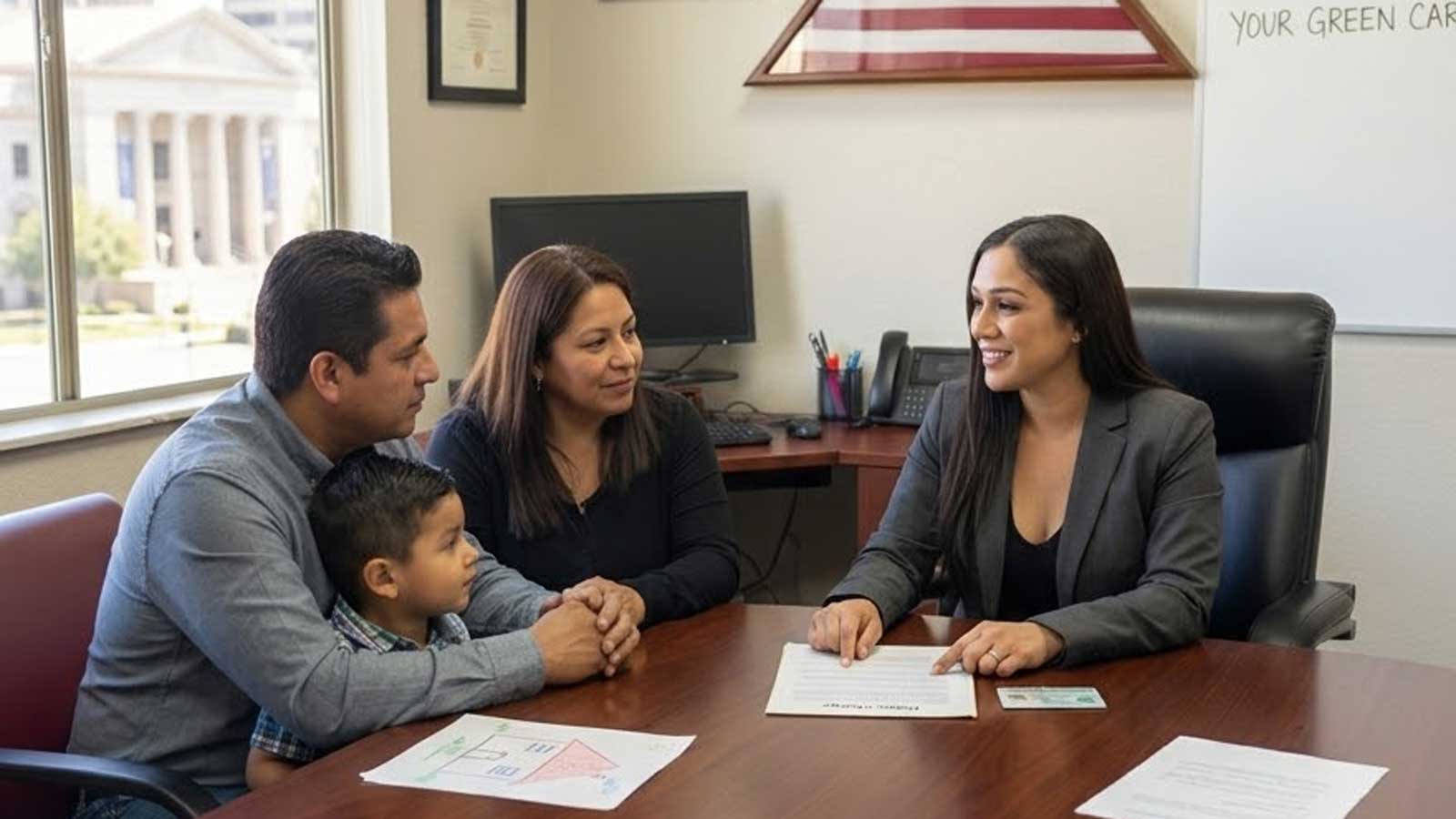
For example, a person considering immigration-related legal information should treat immigration consequences as a separate question requiring appropriate guidance rather than assuming a family-court order answers them.
Mistakes That Can Weaken Preparation
Deleting uncomfortable messages can remove context that later becomes important. Editing screenshots, renaming files without retaining originals, or relying only on memory can also make the evidence harder to explain.
Another mistake is bringing a large amount of material without connecting it to the issue before the judge. Relevant, organized evidence is generally more useful than a disordered collection of every disagreement between the parties.
When Prompt Legal or Safety Help Matters
Seek appropriate legal help when you do not understand an existing order, have been served with hearing papers, face an approaching deadline, believe an order has been violated, or need help determining what evidence the court can consider.
If there is an immediate threat to someone’s safety, contact appropriate emergency services or local authorities rather than relying on an online article. Protective-order procedures and emergency options vary by jurisdiction.
Frequently Asked Questions
Are screenshots enough evidence for a domestic-order hearing?
Screenshots may be useful, but completeness, authenticity, relevance, and local evidence rules can matter. Preserve the original messages and surrounding conversation whenever possible.
Should I bring witnesses to the hearing?
A witness may help when that person has relevant first-hand knowledge. Court procedures concerning witness lists, subpoenas, declarations, or testimony vary, so check local rules beforehand.
Can I submit evidence on the day of court?
Possibly, but some courts require evidence to be filed or served before the hearing. Late material may not be considered, depending on the rules and circumstances.
Prepare the Record Before You Enter Court
Good preparation is less about collecting the largest possible file and more about preserving reliable evidence that clearly relates to the issues being decided.
Keep originals, organize copies, review existing orders, confirm filing requirements, and know which events each item supports. That preparation can make a difficult hearing easier to present clearly.
This article provides general legal information and is not a substitute for advice from a licensed attorney in your jurisdiction.