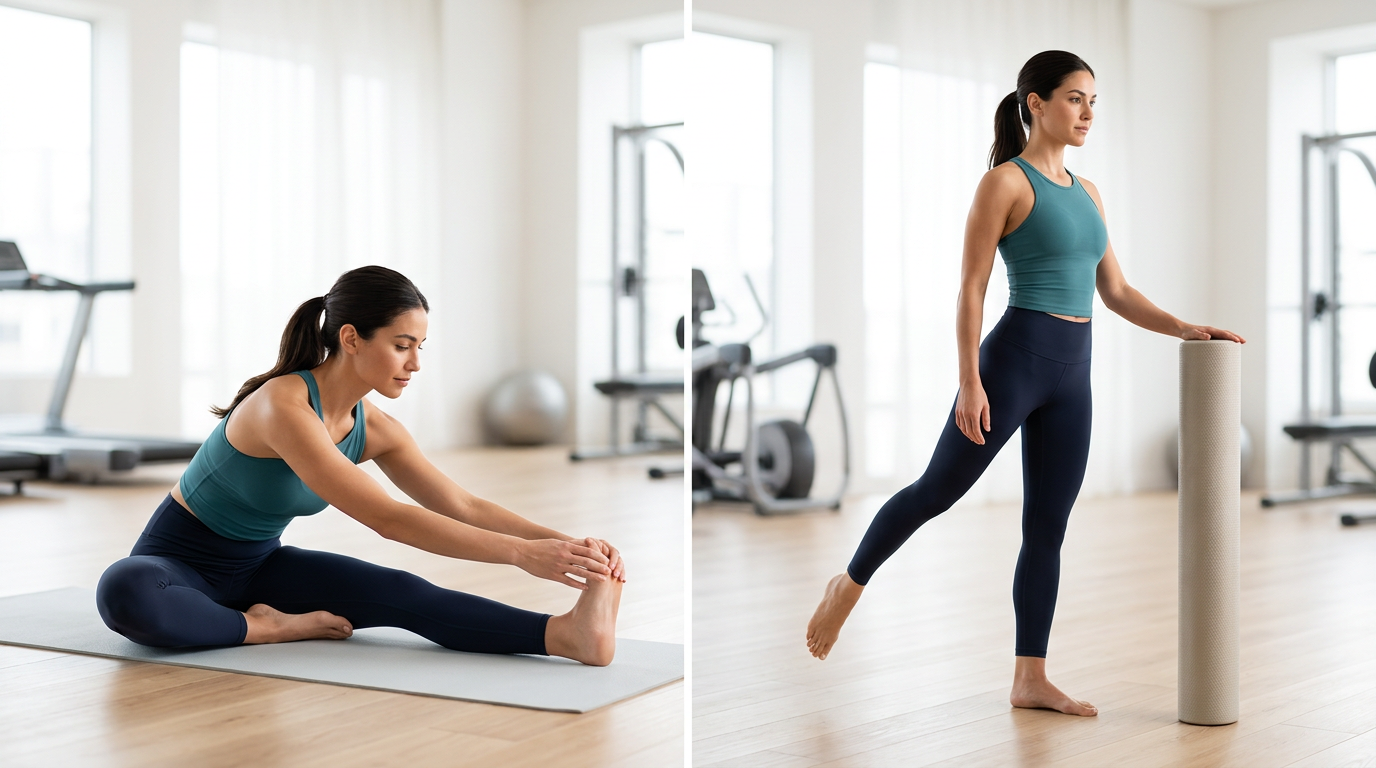
Mobility rarely improves because of one long stretching session. Weak mobility levels usually respond better to frequent, controlled movement performed through useful ranges. Short practice sessions can gradually improve how comfortably you squat, reach, rotate, or move during exercise without turning mobility work into another exhausting workout.
Understand What Mobility Actually Requires
Mobility is more than flexibility. Flexibility describes how far tissues can lengthen, while mobility also involves controlling a joint through that available range.
That distinction explains why someone may stretch deeply yet still struggle to maintain a comfortable squat or overhead position. Control matters.
Exploring movement-focused sports pages may introduce different exercise ideas, but useful mobility practice should match movements you actually want to improve. Randomly collecting stretches can make a routine longer without making it more effective.
Start With the Movement That Feels Restricted
If ankle movement limits your squat, practice ankle-focused drills. If overhead reaching feels restricted, work on the shoulders and upper back rather than automatically stretching every major muscle group.
Specific practice gives you a clearer way to judge whether the routine is working.
Make Mobility Practice Frequent and Manageable
Ten focused minutes performed regularly can be more practical than an occasional hour-long session. Place mobility work before training, after a warm-up, or during a separate short session at home.
Use slow repetitions instead of forcing positions. Move toward the edge of your comfortable range, pause briefly, and return under control.
People reading match and training coverage may see athletes demonstrating large ranges of motion, but copying advanced positions isn’t necessary. Your target is better function for your own training, not matching another person’s flexibility.
| Area | Useful Practice | What to Watch |
|---|---|---|
| Ankles | Controlled knee-over-toe rocks | Heel stays grounded |
| Hips | Slow squat holds | Comfortable depth |
| Shoulders | Wall or overhead reaches | Rib position remains controlled |
| Upper back | Gentle rotations | Movement stays smooth |
Add Strength Inside the New Range
Mobility gains become more useful when you can control them. After improving a position, use light resistance or bodyweight movements that require you to actively hold that range.
A deeper squat, for example, becomes more practical when you can maintain balance and tension there. Shoulder mobility becomes more useful when overhead positions remain stable under modest load.
Ideas found through athlete development reading can broaden your exercise selection, but progress still comes from repeating a small number of appropriate drills long enough to measure change.
Progress Range Before Adding Complexity
Don’t make drills harder simply because they look basic. First improve control, comfort, and consistency. Extra resistance or more complicated movements can come later.
Why Mobility Routines Often Fail
The most common problem is inconsistency. People often attack a tight area aggressively for two days, feel temporary improvement, and then stop practicing.
Another problem is treating discomfort as proof that a stretch is working. Stronger pressure does not automatically create better movement. Mobility practice should challenge your available range without becoming a contest to tolerate pain. Slow improvement that transfers into normal exercises is more useful than dramatic positions that disappear minutes later.
Frequently Asked Questions
Should mobility work be done every day?
Light mobility practice can often be performed frequently because it creates relatively little fatigue. Harder loaded mobility work may need more recovery. Adjust frequency according to intensity and how your joints feel afterward.
Is stretching enough to improve mobility?
Stretching can improve available range, but active control is also valuable. Combining comfortable range-of-motion work with strength exercises performed through that range often makes improvements more useful during normal movement.
How quickly can mobility improve?
Some movements may feel easier immediately after warming up, while lasting improvements usually require repeated practice. Track a specific movement over several weeks instead of judging progress after one session.
Practice the Range You Want to Keep
Better mobility is usually built through repetition rather than dramatic effort. Choose the movements that matter most, practice them frequently, and strengthen the positions you gain. A short routine you can repeat week after week will generally improve useful movement more reliably than occasional sessions packed with dozens of unrelated stretches.