
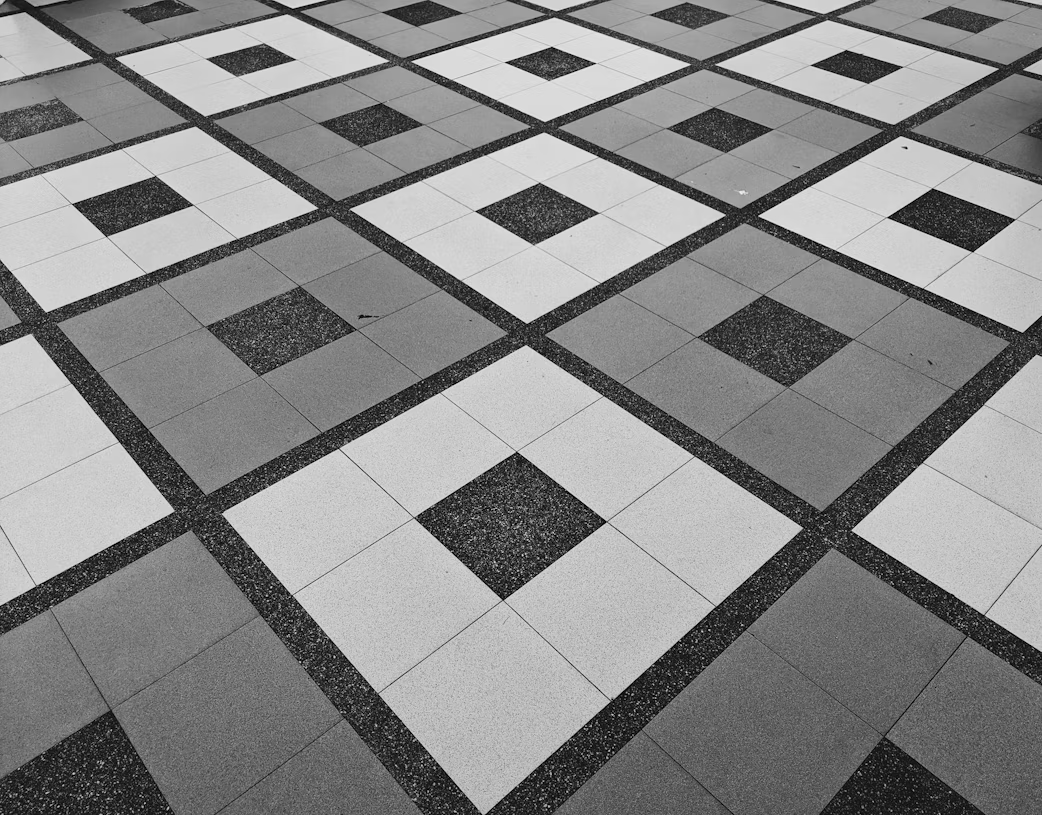
Tiles Exporter: Tile design has undergone a remarkable transformation over the years, evolving from purely functional surfaces into defining elements of modern architecture. Today, tiles play a crucial role in shaping spaces that are not only visually striking but also durable, sustainable, and adaptable to contemporary lifestyles.
Let’s take a closer look at how tile design has evolved and why it has become a cornerstone of modern architectural expression.
From Utility to Design Statement
Traditionally, tiles were chosen mainly for their practicality—easy to clean, moisture-resistant, and long-lasting. While these qualities remain important, modern architecture has elevated tiles into design features. With advanced production techniques and global sourcing from a reliable Tiles exporter, architects now have access to tiles that combine performance with artistic appeal.
Technological Advancements in Tile Manufacturing
The evolution of tile design is closely tied to innovation in manufacturing. Digital printing, precision cutting, and surface treatments have allowed Tile Manufacturers to create tiles that replicate natural materials such as marble, wood, stone, and concrete with exceptional realism.
These advancements enable architects to achieve luxurious and minimalist aesthetics while benefiting from the durability and consistency that tiles offer.
Large-Format and Seamless Designs
One of the most notable trends in modern architecture is the use of large-format tiles. These tiles reduce grout lines, creating seamless surfaces that enhance the sense of openness and continuity. Large-format tiles are widely used in modern homes, commercial spaces, and public buildings to create clean, expansive visual effects.
Tiles as Architectural Elements
In contemporary design, tiles are no longer limited to floors and bathrooms. They are now used as feature walls, façades, countertops, and even outdoor cladding. Textured and 3D tiles add depth and dimension, turning walls into architectural highlights rather than mere backdrops.
Sustainability and Eco-Conscious Design
As sustainability becomes central to modern architecture, tile design has adapted accordingly. Many tiles are manufactured using eco-friendly processes and recyclable materials. Their long lifespan and low maintenance requirements also align with sustainable building practices, making them a preferred choice for green construction projects.
Blending Tradition with Modern Aesthetics
Modern tile designs often draw inspiration from traditional patterns and craftsmanship, reinterpreted through contemporary forms and color palettes. This fusion allows architects to preserve cultural influences while meeting modern design standards.
Conclusion
The evolution of tile design reflects the broader shift in modern architecture toward materials that offer both beauty and functionality. Thanks to innovation by leading Tile Manufacturers and the global reach of trusted Tiles exporter networks, tiles have become a versatile, expressive, and essential element in architectural design.
As architecture continues to evolve, tiles will remain at the forefront—adapting, innovating, and redefining the way we experience modern spaces.


