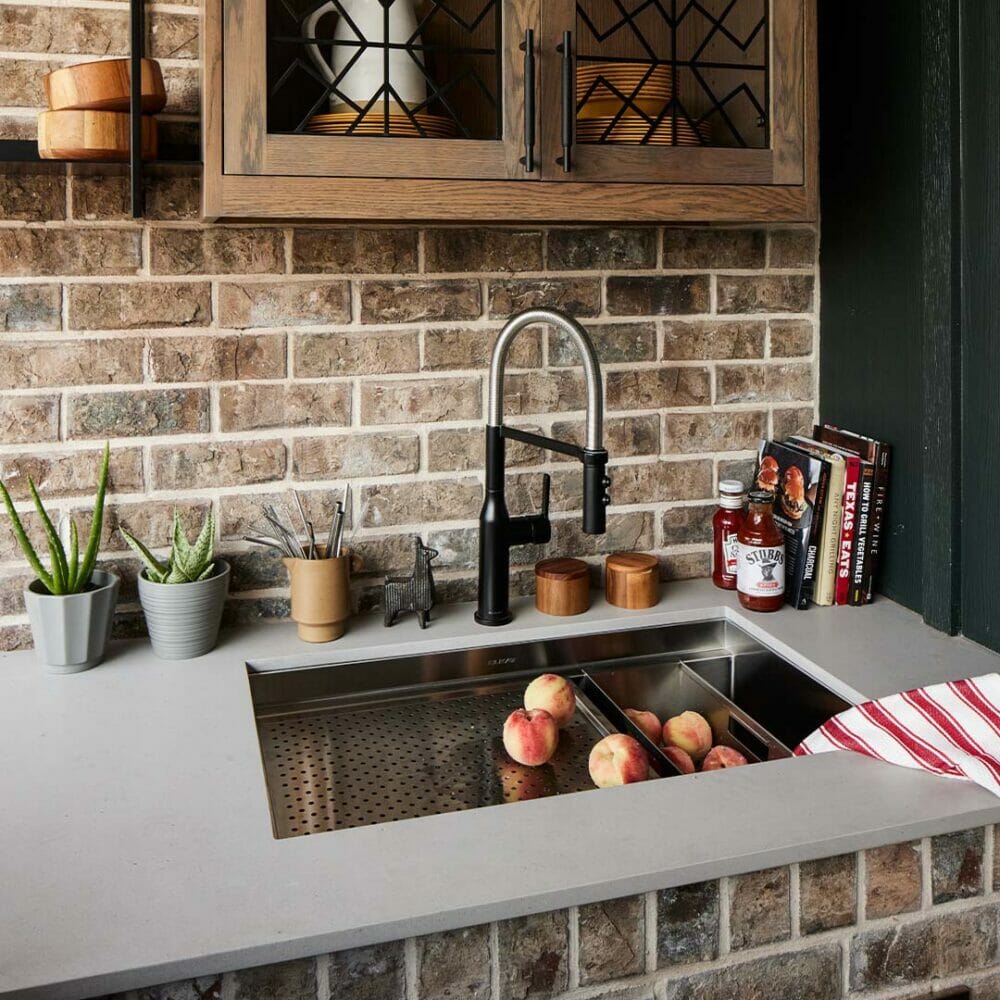
In today’s architecture and interior design landscape, premium synthetic surface materials are redefining how spaces are built, finished, and experienced. From high-end residential kitchens to commercial lobbies and healthcare environments, these advanced surfaces offer a balance of durability, aesthetics, and long-term performance. As design expectations continue to evolve in 2026, the demand for premium synthetic surface materials is growing rapidly due to their versatility, sustainability features, and ability to replicate natural textures without the limitations of stone or wood.
Brands like Hyundai L&C are leading this transformation by developing innovative surface solutions that meet both functional and design-driven requirements. In this guest post, we explore how synthetic surfaces are shaping modern environments, what makes them essential, and how to choose the right material for your project.
Understanding Premium Synthetic Surface Materials
Premium synthetic surface materials are engineered surfaces designed to mimic natural stone, quartz, marble, or solid surfaces while offering improved consistency and performance. Unlike natural materials, they are manufactured using advanced technologies that allow for greater control over color, texture, and structural integrity.
These materials typically include:
- Engineered quartz surfaces
- Acrylic solid surfaces
- Hybrid composite materials
- Resin-based surfaces
What makes them “premium” is the refinement in manufacturing, ensuring higher resistance to wear, stains, and moisture while maintaining a visually refined finish suitable for luxury interiors.
Why Premium Synthetic Surface Materials Matter in Modern Design
The shift toward premium synthetic surface materials is not just a design trend; it’s a response to real-world performance needs. Architects and designers are prioritizing materials that combine beauty with functionality.
Key reasons for their rising importance include:
- Consistency in appearance – No natural imperfections or unpredictable veining
- Design flexibility – Wide range of colors, finishes, and patterns
- Enhanced durability – Resistance to scratches, heat, and impact
- Non-porous structure – Helps prevent bacterial growth and staining
- Sustainability potential – Reduced waste compared to quarried stone
These advantages make them ideal for both residential and commercial applications where long-term reliability is essential.
Key Benefits of Premium Synthetic Surface Materials
1. Long-Term Durability
One of the most significant advantages of premium synthetic surface materials is their resilience. Engineered to withstand heavy daily use, they maintain their appearance even in high-traffic environments such as hotels, offices, and retail spaces.
2. Hygienic and Low Maintenance
Their non-porous structure prevents liquid absorption, making them resistant to mold, bacteria, and stains. This is especially valuable in kitchens, bathrooms, and healthcare facilities.
3. Aesthetic Versatility
From minimalist matte finishes to high-gloss marble-like designs, synthetic surfaces offer a broad design spectrum. This flexibility allows designers to achieve both modern and classic aesthetics.
4. Cost Efficiency Over Time
While initial investment may vary, the long lifespan and minimal maintenance requirements reduce overall lifecycle costs.
5. Sustainable Manufacturing Options
Many manufacturers, including Hyundai L&C, are focusing on eco-conscious production methods that reduce environmental impact while maintaining product quality.
Applications of Premium Synthetic Surface Materials
The adaptability of premium synthetic surface materials makes them suitable for a wide range of applications across industries.
Residential Spaces
- Kitchen countertops
- Bathroom vanities
- Wall cladding
- Flooring accents
Commercial Interiors
- Hotel lobbies
- Office reception areas
- Retail display surfaces
- Restaurant countertops
Healthcare and Institutional Use
- Laboratory counters
- Hospital worktops
- Cleanroom environments
Their hygienic properties and durability make them particularly valuable in environments requiring strict cleanliness standards.
Why Hyundai L&C Leads in Surface Innovation
Hyundai L&C has established itself as a key player in the global surface materials industry by consistently investing in innovation and design excellence. Their product lines reflect a deep understanding of architectural needs and evolving market demands.
What sets them apart:
- Advanced manufacturing technology for precision-engineered surfaces
- A strong focus on design trends and global aesthetics
- Commitment to sustainability and responsible sourcing
- Wide product portfolio for residential and commercial use
- Consistent quality control standards
By aligning material science with design innovation, they help architects and designers bring complex visions to life using premium synthetic surface materials that perform reliably in real-world conditions.
Design Trends for Premium Synthetic Surface Materials in 2026
As we move deeper into 2026, several design trends are shaping how premium synthetic surface materials are being used.
1. Natural-Look Minimalism
Designers are leaning toward subtle textures that replicate natural stone without overwhelming visual complexity.
2. Seamless Surface Integration
Large-format panels and seamless installations are becoming more popular for creating clean, continuous surfaces.
3. Warm Neutral Palettes
Beige, soft gray, and earth-inspired tones are replacing cooler industrial finishes.
4. Multi-Functional Surfaces
Surfaces are no longer just decorative; they are being designed for interactive and functional use, especially in commercial environments.
5. Sustainable Design Focus
Eco-friendly materials and low-waste manufacturing processes are now a key selection factor for developers and architects.
How to Choose the Right Premium Synthetic Surface Materials
Selecting the right premium synthetic surface materials requires a balance of aesthetics, performance, and application requirements.
Step 1: Define the Application
Identify whether the surface will be used in a residential, commercial, or industrial environment.
Step 2: Evaluate Performance Needs
Consider heat resistance, stain resistance, and durability based on usage intensity.
Step 3: Match Design Intent
Choose colors and textures that align with the overall architectural theme.
Step 4: Consider Maintenance Requirements
Opt for low-maintenance materials if long-term upkeep is a concern.
Step 5: Work with Trusted Manufacturers
Partnering with established providers like Hyundai L&C ensures product reliability and consistent quality.
Maintenance and Care Best Practices
Although premium synthetic surface materials are designed for durability, proper care helps maintain their appearance over time.
- Clean regularly using mild soap and water
- Avoid abrasive cleaning pads
- Wipe spills promptly to prevent residue buildup
- Use cutting boards to avoid surface scratches
- Avoid exposure to extreme direct heat where possible
With simple maintenance routines, these surfaces can retain their original look for many years.
The Future of Premium Synthetic Surface Materials
The future of premium synthetic surface materials is closely tied to advancements in material science and sustainable design. We can expect to see:
- Greater use of recycled components
- Smarter manufacturing processes with reduced waste
- Enhanced customization options for architects and designers
- Improved performance in extreme environments
- More integration with digital design tools and BIM systems
As innovation continues, synthetic surfaces will play an even greater role in shaping the built environment.
Conclusion
Premium synthetic surface materials are no longer just an alternative to natural stone; they are a preferred choice for designers, architects, and developers seeking consistency, performance, and design flexibility. With their wide range of applications and evolving design capabilities, these materials are shaping the future of interior and architectural design.
Companies like Hyundai L&C continue to drive innovation in this space, offering solutions that meet the demands of modern construction and design. Whether for residential upgrades or large-scale commercial projects, selecting the right surface material can significantly impact both aesthetics and long-term value.
As design continues to evolve in 2026 and beyond, premium synthetic surface materials will remain at the center of innovation, functionality, and timeless style.